SHOW NOW

SHOP NOW
SHOP NOW
SHOP NOW
SHOP NOW
SHOP NOW
SHOP NOW
SHOP NOW
SHOP NOW
SHOP NOW
SHOP NOW


Rhiana Hernandez is a Brooklyn-based, American Culinary Federation-certified pastry chef and a culinary cannabis educator (most recently at Kingsborough Community College). They destigmatize cannabis by showcasing how it can be integrated deliciously into culinary and wellness practices.
Known for their business under the name K O K U J I N, Rhiana creates eclectic and unconventional flavor pairings. Their recipes are rooted in their Caribbean heritage and celebrate Asian intricate details, while focusing on providing a thoughtful luxe experience that caters to various diets and palates.
They specialize in incorporating the plant into self-care routines and everyday cooking, teaching workshops on intentional cannabis use and creating recipes for infused goods, as well as in-store cooking demonstrations.
You can find some of their recipes on their substack Edible Nonsense.
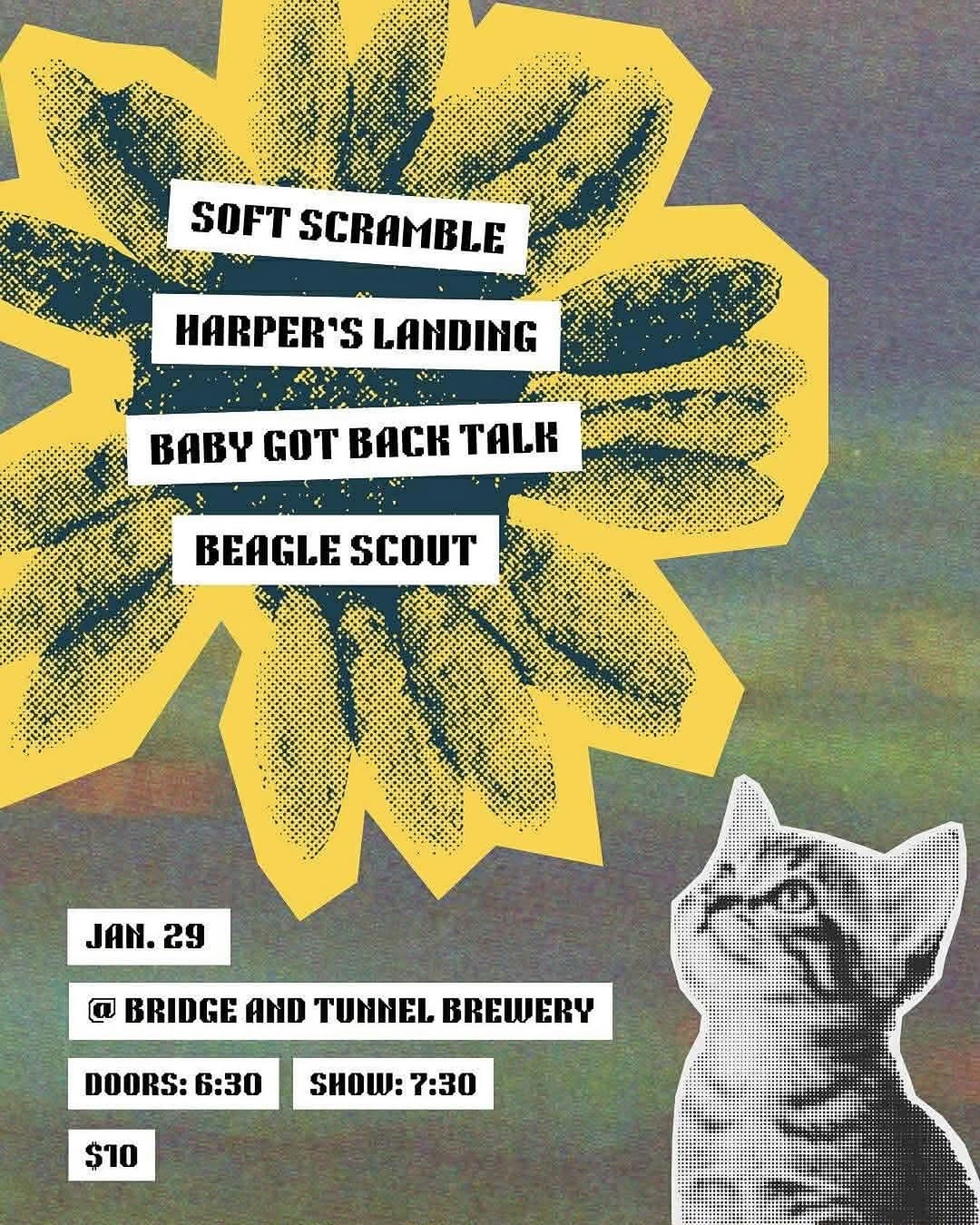
Next event(s): 1/29 - Bridge and Tunnel Brewery with Baby Got Back Talk
This interview has been edited and condensed for clarity by Solonje Burnett, Weed Auntie. Watch the teaser.
WA = Weed Auntie
RH = Rhiana Hernandez
WA: Can you tell us your name, preferred pronouns, and what you do for work/passion.
RH: My name is Rhiana Hernandez. I go by They/Them. I am a cannabis chef and educator, and welcome to the Sweet Spot.
WA: Our paths crossed through cannabis education and events, both at weed auntie and our time on the CUNY Culinary Cannabis Advisory Board, but never knew what propelled you into infused baking as a pastry chef. Tell me about it.
RH: It was selfishness. I am very picky about the pastries I like to eat. I'm picky about shit in general. I like to experiment a lot and the first edible I ever tasted was horrible and it really bothered me. I remember so distinctly, we put seven grams of flour into a cup of butter or two cups of butter and we threw it into a brownie mix. I just was enraged at the fact that we spent hours going through this whole process making this butter and it was a whole labor of love. We put it in something that just didn't taste very good and then I had such an extreme experience— like psychologically and physiologically. I cried. And it didn't make sense. So I figured there's no reason for this and I should just make things from scratch. It's just butter. Butter goes in everything. I was 19 when that happened and I haven't had a box mix since. Except one where I did – a sponsorship. Except I had to get paid for it.
WA: I love that like me, you are an island babe with your Jamaican and Puerto Rican heritage. Does that influence your creative process and art? What other cultures show up in your creations and flavor pairings?
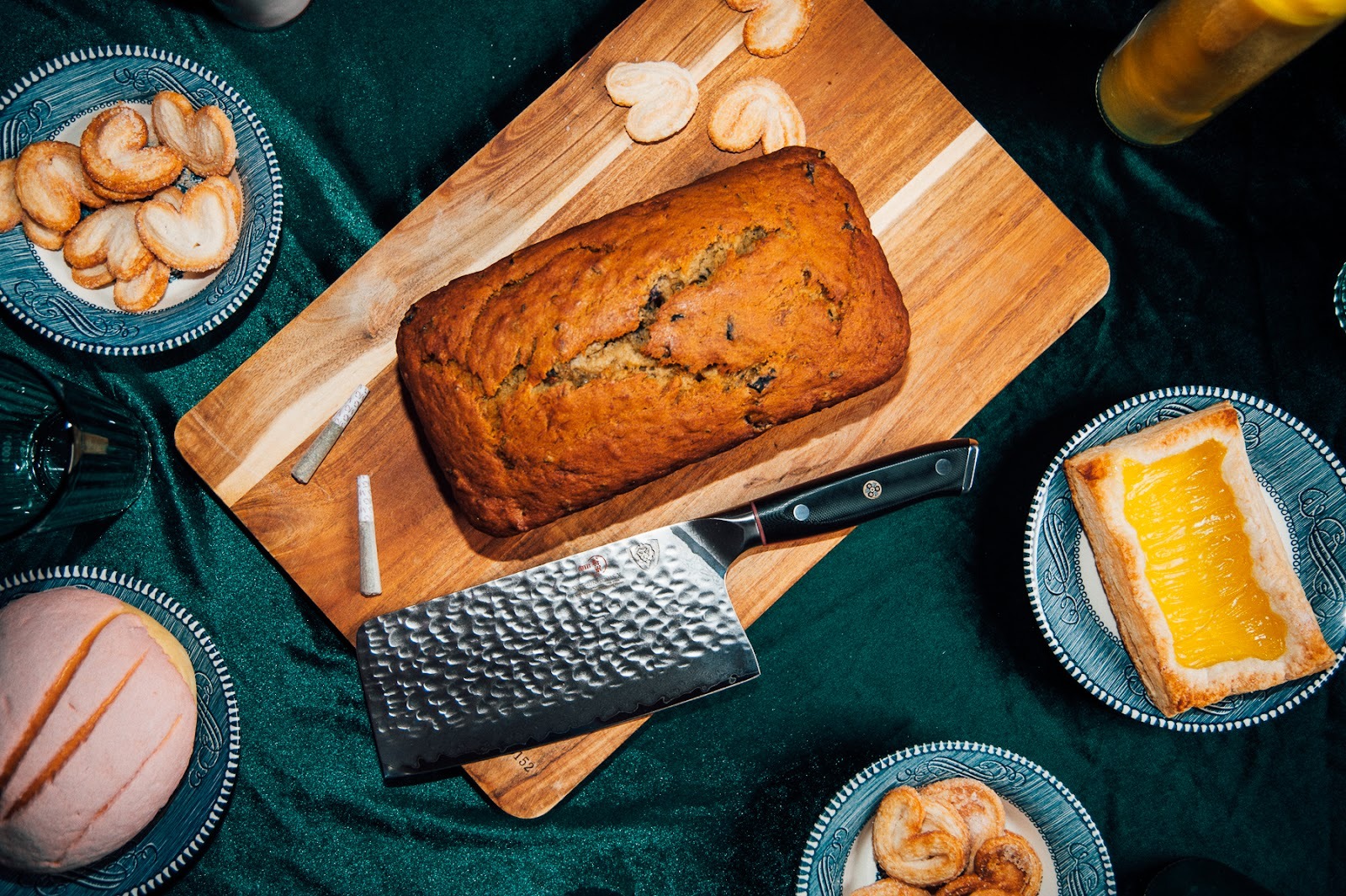
RH: I learned most of my cooking from my grandmas, on both sides, which I actually just learned recently that my grandmother didn't start cooking for her family until she moved from Jamaica to America and that's when she learned how to make all of these dishes. I'm now the one responsible for keeping track of all these dishes because I do what I do. One of the first couple recipes that I tried learning and showing to my family was how to make infused sorrel and coquito. I learned how to make curry goat and infuse that. Then I'd show her ways to add things to patties— just little accessible things that I already knew how to do that I knew tasted good to just want to add a little magic to it.
Outside of that, I do love Japanese, Korean and Chinese cooking so much. I find that their attention to detail when it comes to their desserts, for celebration or even if it's just a simple strawberry shortcake. The lines are clean. The process is very intricate and detailed. It's almost like a video game in real life. I really like that puzzle solving kind of activity so it scratches an itch that also is really tasty. I get cake after.
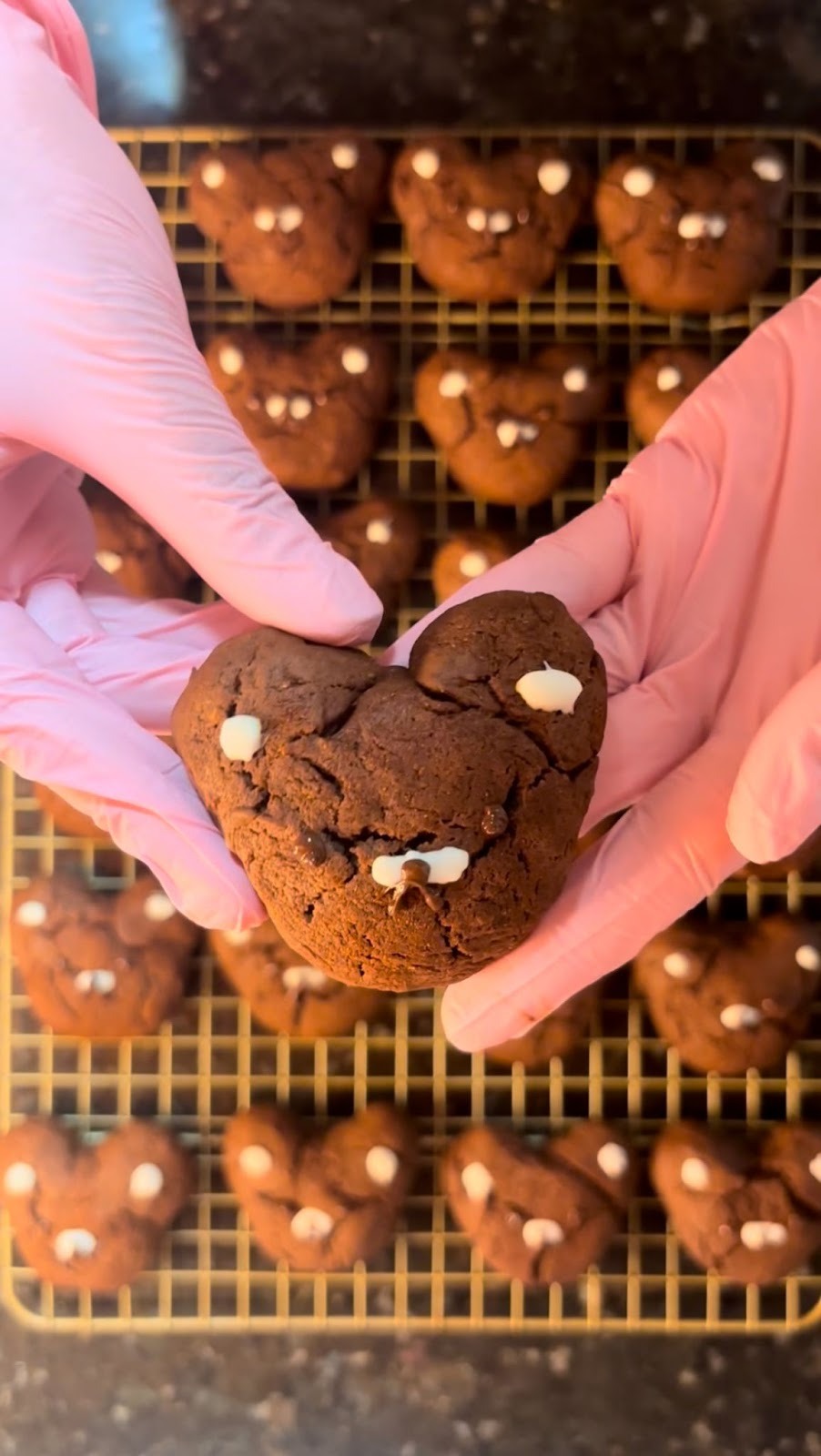
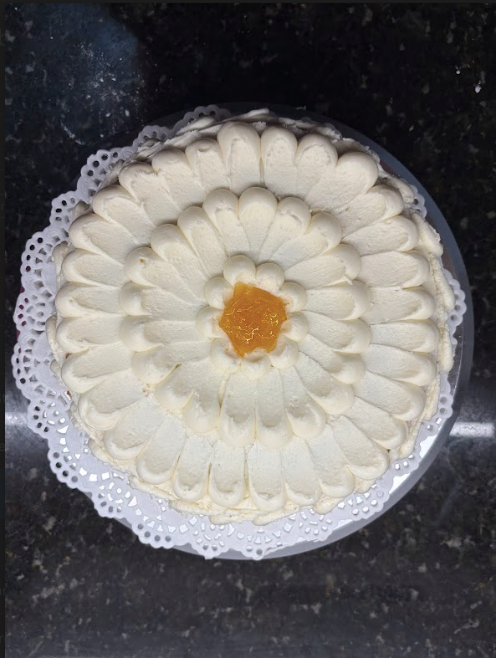
WA: Has anyone ever judged you or labeled you for consuming weed whether in your family or professionally?
RH: All the time. It's never stopped. Let me take that back. It’s stopped a little bit now that I made it my entire job. People see I don't do anything crazy illicit but my whole life it's been people asking “why are you smoking weed?” But I always did things very well professionally. I got my shit done and they couldn't really get on me about it. So I would just do dumb shit all the time. I was always high. Now it's lessened because I have this acquired background of education where I can smoke a giant blunt and say, “Here's all the different types of terpenes that will help you go to sleep or help you with your knee problem or help you be more active during the day when you want to take a nap.” Screw off with your terrible opinion — But I just kind of take that pushback as an opportunity to be like, “Well, actually. There's much more to what you assume. And it's better. And you're wrong.”
WA: You mentioned a little bit about how your heritage influences your work and how you incorporate recipes from your grandmother, have you shared infused items with elders and people in the community or was this more for your personal you know edible process?
RH: It was more for my personal edible process for sure. I have given edibles to my family. On a very, very, very cautious basis, just because I don't want to make their experience really bad by having it be very strong and they get overwhelmed, but I also don't want them to think it's not something useful that they can use in their life.
For example, one time I made coquito for my grandmother on my father's side. She has a lot of chronic illnesses. I remember I used an infused agave and said, “'Just drink this and go to bed. Don't do anything. Don't touch anything.” I think she ended up knocking out for the first time, cold. And it was good because she has a lot of pains and aches and whatnot. And she was like, “Oh, I really passed out, I slept really well.” It made it accessible for her, and I figured if I did it like that, it would be easier for her to digest. Whereas conversely, I did it with my mom and I gave her a Camino gummy.
She wanted to be cool and say, ‘'Oh, I don't feel anything. It's whatever.” So I made Jamaican curry and put it on some popcorn and said, “Try this little snack.” I don't feel anything. And I give her a brownie that I made. I think at the time, if I'm adjusting for weed inflation or before drug math times, it had to be like 50 milligrams. And I said, ‘Please eat this in eights, cut it really tiny and slow and don't go crazy. It's potent.” She didn't listen. She ate a lot. It is just like a thing that I have with my mom where if you make something too fucking good for her, she'll eat it.
Using that vehicle of food to give back, because it was always a thing with my family, celebrations were around food, big events were around food, gifts were food. I think it's more just the edible consumption aspect of having to give her some— it was a lot.
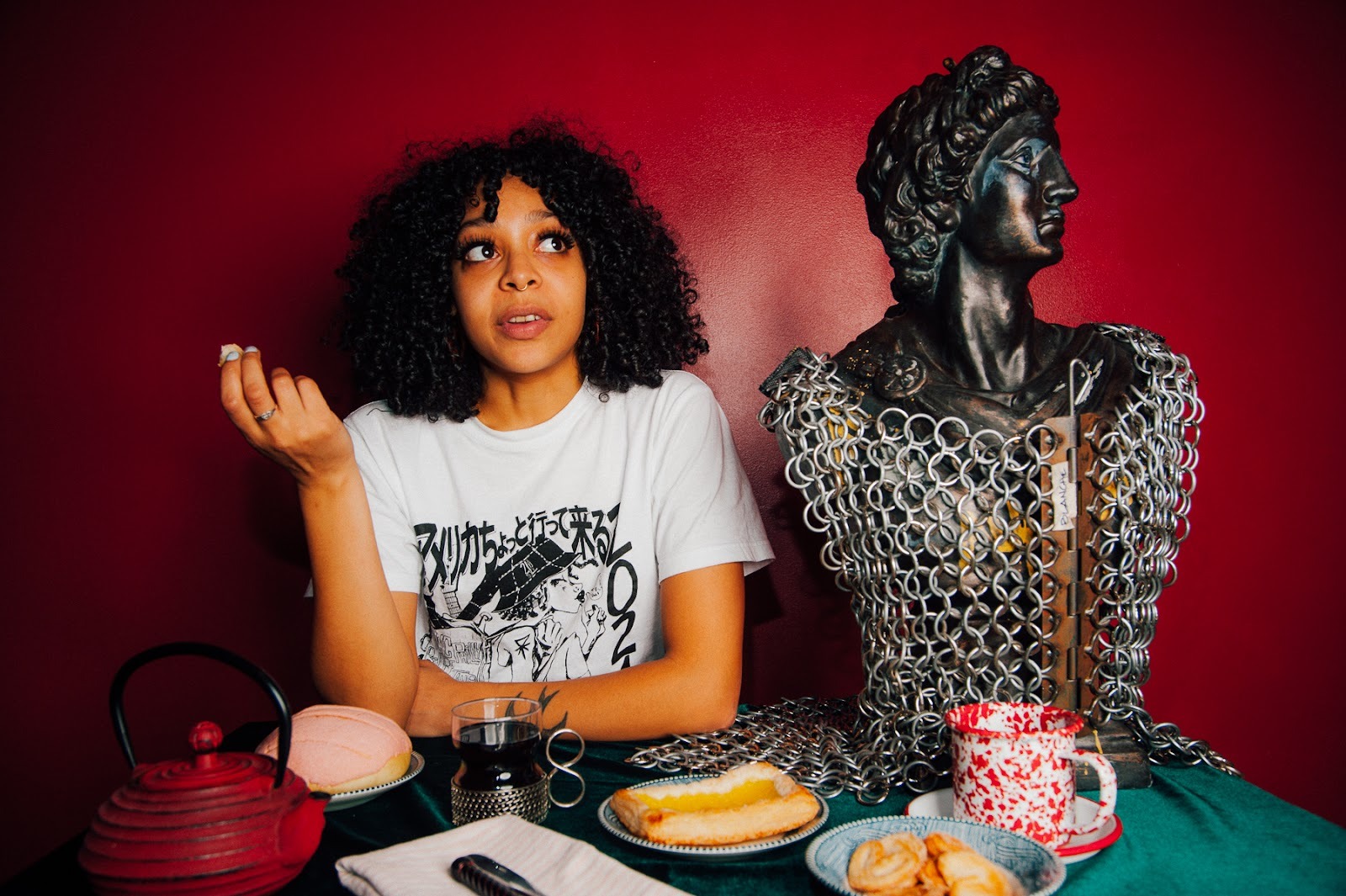
WA: Getting into dosing. Most make edibles for potency, others like SASS do it for functional wellbeing, what drives your culinary focus?
RH: There's so many different types of consumers these days. The population of new consumers I feel is starting to come to a point where it's outgrowing the seasoned ones, which is fine. I'm really happy about that. When I think about how I dose my edibles, It's always on a person by person basis. Because not everyone is the same. Not everyone wants to take 50 milligrams to the face and then try and go about their day like I'm trying to do because I'm crazy. But some folks may have higher needs than others. I just try to accommodate that because there are so many more people eating weed nowadays. I want to make sure they all have something. Not just trying to either eat an entire container of gummies to feel something, because they have a high tolerance, or they have to cut a single piece of cookie into 10 pieces, because they have really low tolerance. Everyone has your own allocation.
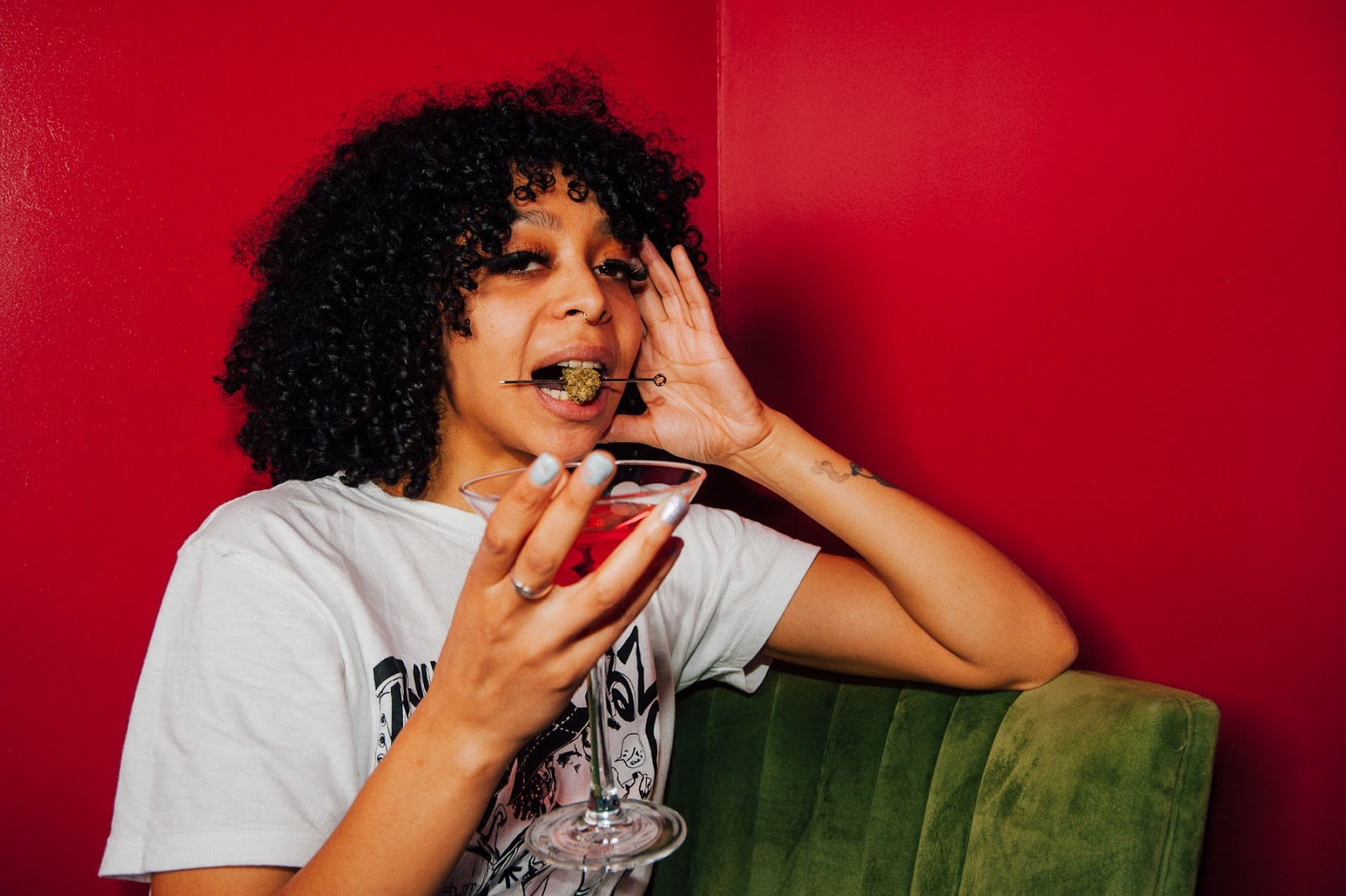
WA: Making edibles has always been a part of Queer history and wellbeing, do you consider your work activism and has anyone in particular inspired you along the way?
RH: I do consider it activism. I find that it's really important that this information is widely shared and not just guesses and suggestions by people who may not have really researched the importance of what's going on. I was lucky enough to be certified by an organization and go through a college course that is unfortunately no longer funded because of unfortunate environmental influences, but I have it. I can share it. It's really easy to get on the phone and be like, “Here's how you do this. Here's the math thing. Just have it.” Because people are gonna consume weed, regardless of legality, they're going to find a way. We found a way to do abortions, we found a way to smoke weed, we found a way to do crack. It just is what it is. If I can just have some kind of hand in making it safe and accessible for people, so they are not having a bad experience that contributes to the negative connotations of cannabis, then yes.
There are some chefs that I've worked with personally that have inspired me. Chala June is a big one. That was my first infused dinner that I made desserts for a larger group of people, but also I like listening to the way that they work around food and the stories they put behind their food. I thought that was really beautiful and it made me change the way I saw my food and what I was trying to explain to people.
Another chef who I was just at his pop-up makes amazing food and I've worked with him as well is PapiTropical. He is another person who tells these incredible stories of family and cultural history through his food, but he also allowed me a chance to fuck around with other cultures and other foods that are also within my culture, within the diaspora of Latine food. And that was important for me. I am grateful for their influences in at least shaping me, making my food more interesting and telling a better story.
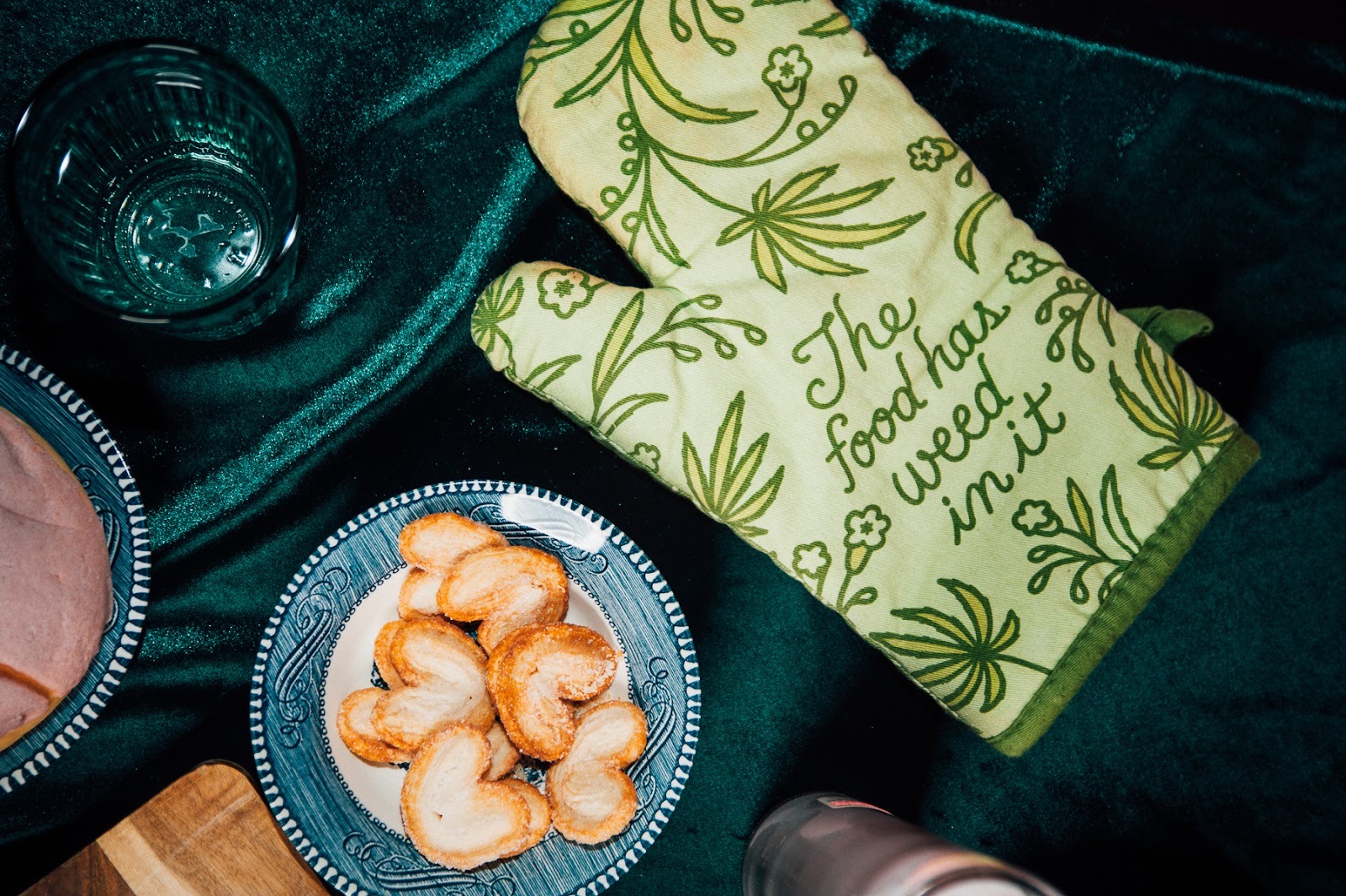
WA: How long have you been cooking with cannabis and since your start how have you seen it evolve? What would you like to see that has yet to happen locally and nationally?
RH: Okay, I'm gonna count that very first time I made those fucking brownies and I was 19. Oh wow. A real disgustingly long time— at least like 10, 12 years— not professionally, considerably, but like I've been fucking around with cannabis and food for a long ass time. I will say professionally for five years because that's when I started selling shit out of my apartment and making money for it.
I'm really glad to see it evolve from just “here's how you make butter. You put it in the box mix,” It was always these close-minded ideas. And it's grown into: “Here's how you can make brown butter infused. Here's how you can make chocolate infused, 'Here's how to temper chocolate to make sure it doesn't ruin the cannabis.”
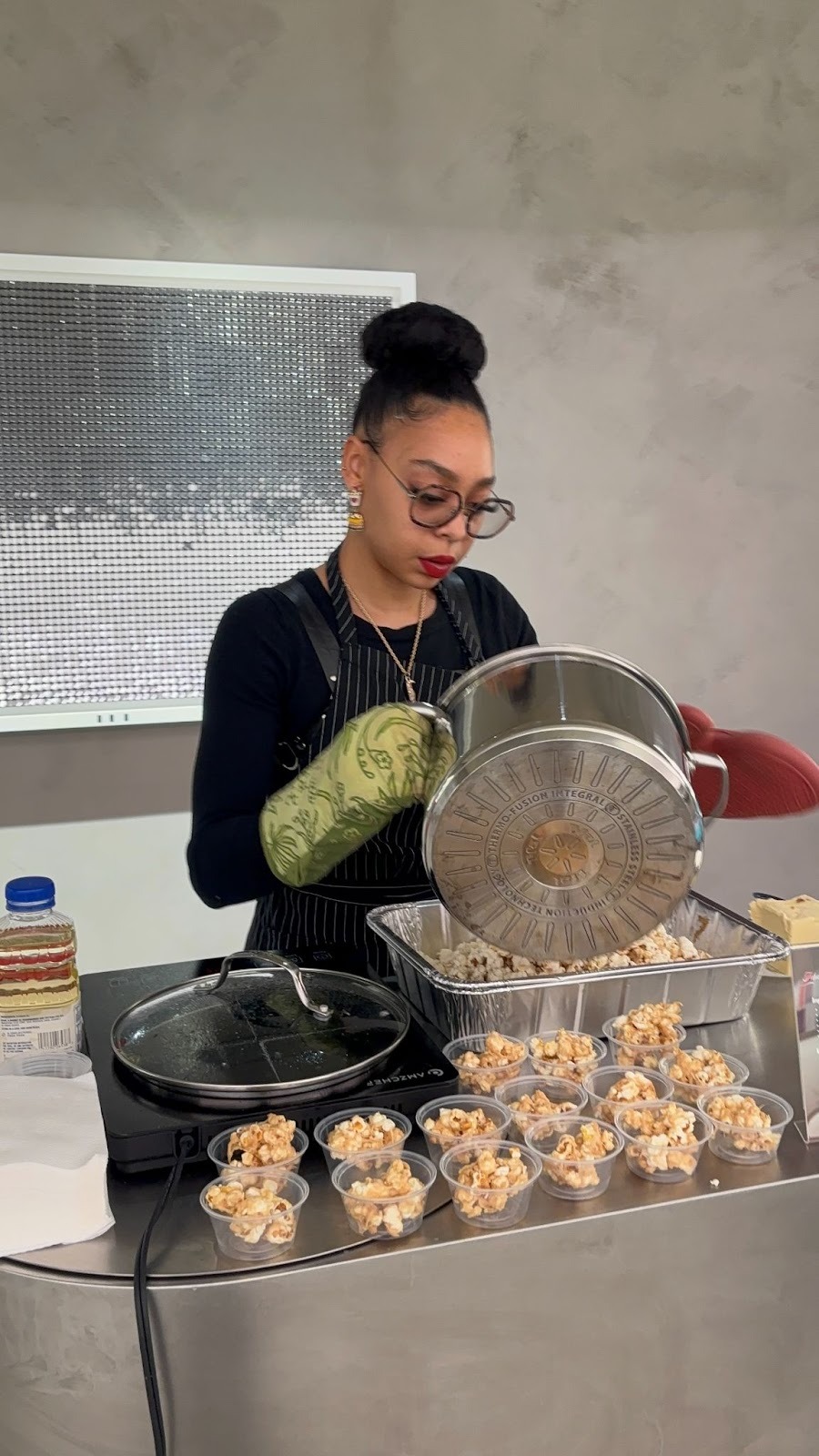
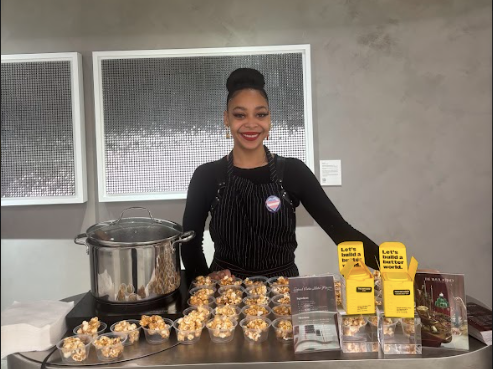
When I was researching originally, I would still always find these pockets of people who were doing these experiments and playing around with food like this. I've also seen those people grow into what are now some of the bigger names in cannabis, like Chef Nikki and Chef for Higher. All these people have a legacy. And now, in the current market, you've got butter with infused ghee and infused cookie butter and you have infused coconut oil and vegan gluten-free gummies and chocolate. I saw a sour gummy rope the other day and I was like, oh shit, this is great. It's starting to grow in other states. You see different types of snacks being created and I'm happy about that. I'm also glad to see other infrastructures built that can allow for cannabis bakeries like you see in Chicago.
I'm glad to see that there's more more of a focus on conscious consumption, not we're gonna get fucked up and we have to get it all to the face right now as quickly, as efficiently as possible. It's like, no, you can have this really cute strawberry cheesecake swirl and it's 50 milligrams. You can split with a friend and you can also have an infused tea with it and a joint. The freedom is what I'm looking forward to. The freedom and the creativity for James Beard level restaurants, hopefully. Nah, I'm just going to put it out there. I would love for there to be James Beard level restaurants that are either centered around cannabis or involve it or at least teach something that is good with it.

WA: Who are your fave folks at the intersection of cannabis and culinary arts?
RH: Okay. Big fan of Chef Miguel Trinidad. He was also on the board of the program that I took and taught at. I've been to his restaurant Marie's. We used to do our final classes there. I definitely described him as a JoJo character because he is very humble, so full of knowledge, but you also know that because he's full of knowledge, there's this level of like [exclaims in fan girl], so it's very interesting to listen to him speak. And he makes an infused lamb ragu that is delicious. Delicious. It was the best part of the end of the class. I do need to get to his other restaurant because Marie’s isn't around anymore. But I look forward to that.
Another person I like is Christina W. From Fruit and Flower Co. She has a great substack where she posts information about different pieces she uses, cannabis consumption, wellness, and she gives a lot of information about like cultivation out in California. She also makes these really cute cookies. I actually, I feel like I have an interesting parasocial relationship with her because we've shared a couple comments and we follow each other's substacks. And she had a post where she was talking about a new book by Kat Liu, who's making a new cookie cookbook specifically. and I asked for it as a Christmas gift and I know she got it and she started posting her substack and I'm like, 'I wouldn't give to be in California to just try to just talk about this for 10 minutes. So yeah, we bond over cookies a lot. I hope we get to share one, one day.
WA: Professional pastry chef, educator, influencer, musician — tell me a bit about that last note? Baby Got Back Talk!
RH: Baby Got Back Talk. The most moisturized punk band since 2017. That's actually a funny thing because we are really all moisturized. Whenever we go on tour, every single one of us has at least two, like, lotion, Vaseline,, sunscreen. I bring a lot. In our gig bags. We really care about being pretty. I've been in Baby Got Back Talk for oh my god, like at least 10 years. We've traveled all over this country. I've been in the Midwest. We do at least a tour or a mini tour every year, and it's a pop punk band.
We're a pop punk band that I met the main singer through a childhood friend, and our other guitarist through Craigslist. And we just bonded. We sing a lot about social justice issues, about issues plaguing minorities. Living in a society burning down while also holding down a job or being a baker. And it's really fun. It's really important to me to be surrounded by people that can know about me on a personal level and also call me out on my shit in a way that's constructive. And you do that really well when you're in a music group because you’re constantly expressing yourself with music and it helps you form good relationships really well.
So I love them and one of them's having a baby and I'm very happy for them because we're all having these growing life experiences all tied to music. I've played two instruments with them. I started playing violin and then I picked up the synthesizer. So I just be doing noodley shit all the time.
WA: We love a creative baddie. All day. What’s your preferred way to consume cannabis and how does it affect your craft?
RH: I love smoking. I love rolling it. I love the whole click click click. I like everything. It's all a whole process that every step seems the same and it's really nice. Maybe it just appeals to the arts and crafts thing I enjoy. I especially love using pretty papers.
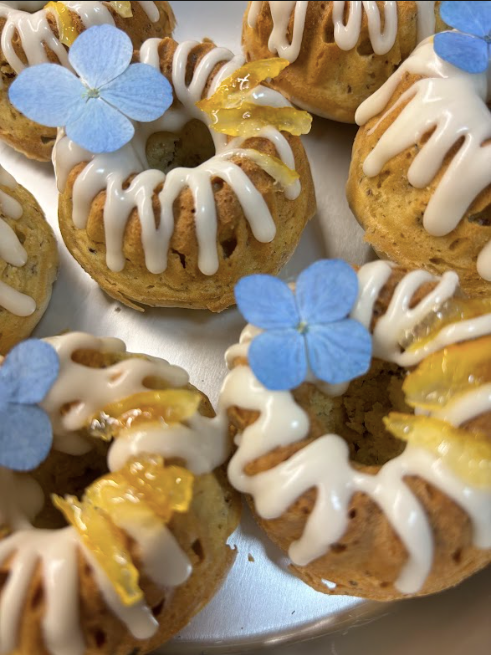
How does that affect my work? I don't smoke when I cook, that's definite, but I do try to consume whatever I'm putting in my food first, so I know what to expect. That helps a lot, especially if it's something that may come with an additional flavor. Which I learned the hard way when I was working in a bakery and we had a distillate that was watermelon flavored. And we didn't realize the watermelon flavor would carry into the actual baked good, which was cinnamon rolls. It was a cinnamon roll bundt cake. And you know what? I will be so honest. It worked! It was the most eclectic piece that we had made, but it definitely taught me that sometimes things have extra flavors and you gotta just check them occasionally.
What I also do is keep adjacent to what kind of edibles are out there, especially the vegan ones and the gluten-free ones, because I like to make sure there are gluten-free options. So I try and taste what is available and see what flavors they're doing but also to see what the effects and aftertaste is like. For example, there are some gummies where I'll have them and the next day, I feel like they just have an interesting taste in the end. I think about that when I cook. So when I test it, I try to have my food usually when I go to bed so I wake up and see, does it have that weird after taste? Is it the same? Can we edit? Paranoid. Everything I do makes me, gives panic.. Smoking gives me paranoia. It all gives me anxiety.
WA: Nah, just testing and perfecting. Testing ‘til perfection. Love it.
RH: Haha, testing and perfection. Yeah!
WA: Speaking of smoking, getting NASA, who would be in your dream sweet sesh? Queer icons, people who are living, deceased, whoever.
RH: I have gone over this question so many times and I think I think I've got it locked down. Niohuru, who is in the Boulet Brothers’ Dragula, but I'm bad at seasons, so you can't quote me. But, incredible artist Bianca Del Rio because I want her to read me for filth and I think we'd have great jokes. Sylvia Rivera. I would definitely want to have some tea with Sylvia Rivera. If we're also, I'm not sure if you're smoking, also so I'm just going to assume these are all adults. I would also say Pim from the Smiling Friends, because I want to have that big, giant blueberry, because I can imagine that it must be great for pie. Mako Mankanshoku from Kill La Kill. She's obsessed with food. She's super funny, and at the end she asks the main character out on a date, which was one of the first like queer relationships I saw in anime outside of Sailor Neptune and Uranus. Oh my gosh. HAHAHAHAHAHA I like one.
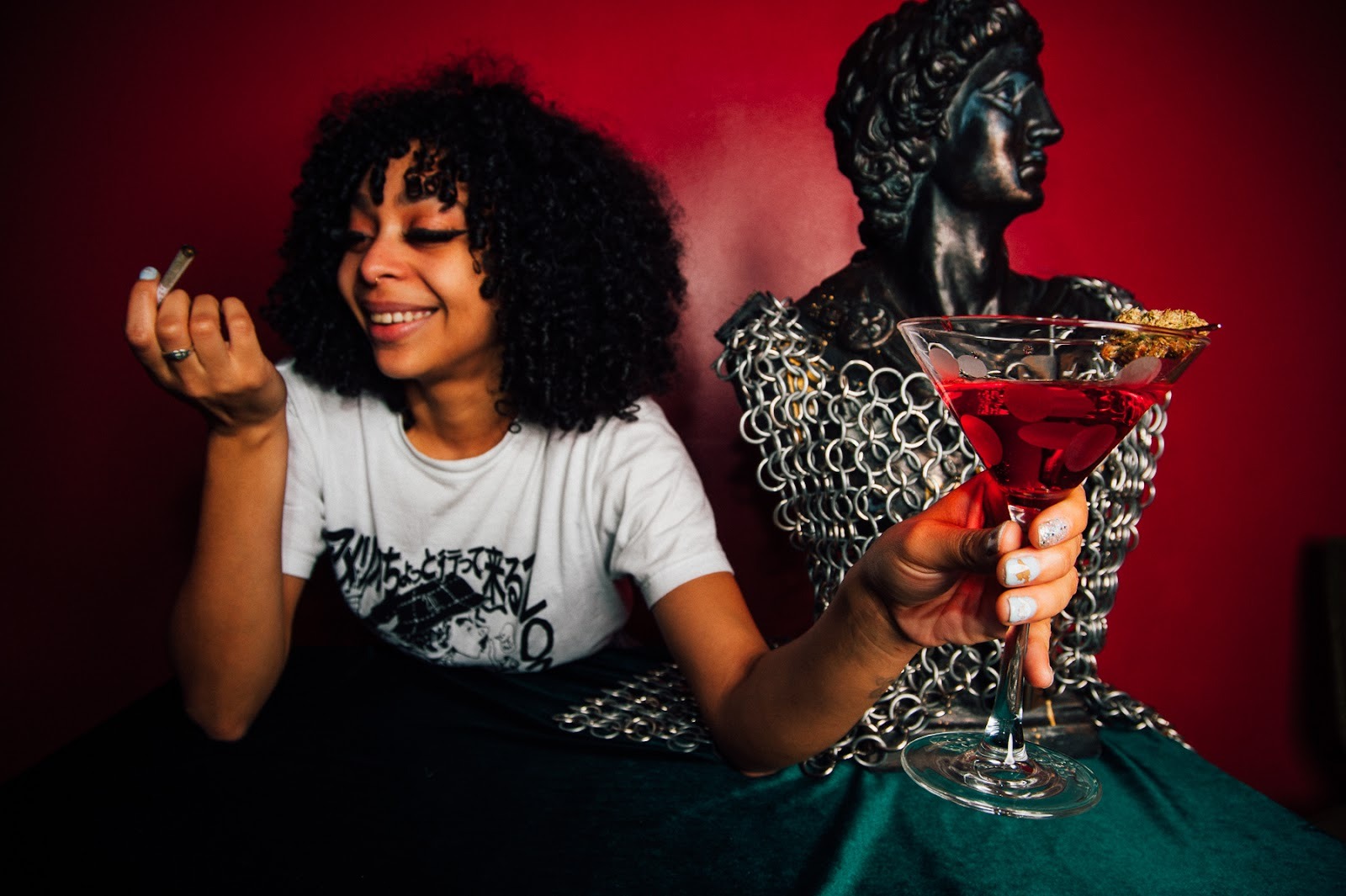
WA: What’s your favorite thing to do high?
RH: Ooh. Apparently, I love to either pass out for the entire day or I fill my entire day with so many things. That I don't stop. It's one or the other. I'll either be high and think. Okay, I kind of have energy or I'm zoning out. Kind of wait, let me rephrase. That's not that's not logical at all. I'll get really high. and I'll be like, I need to be productive to make this high feel good and not fall into some laziness or whatnot. I need to do a good thing. I need to be a good person and do stuff. And then I'm busy the entire day filling my shit with nonsense and I've gone on 20 side quests and Yeah, sometimes it's fun.
WA: Your favorite thing to do high is go on a SideQuest? HAHA!
RH: Yeah! Go on SideQuest. All the fucking time.
One of my best side quests I ever did was I went out to get well, we went, I went drifting with a friend and then we ended up getting ramen and I met a vendor who was vending at a weed event nearby and I showed up at that event and then I ended up getting work.
We love a side quest that ends in money.
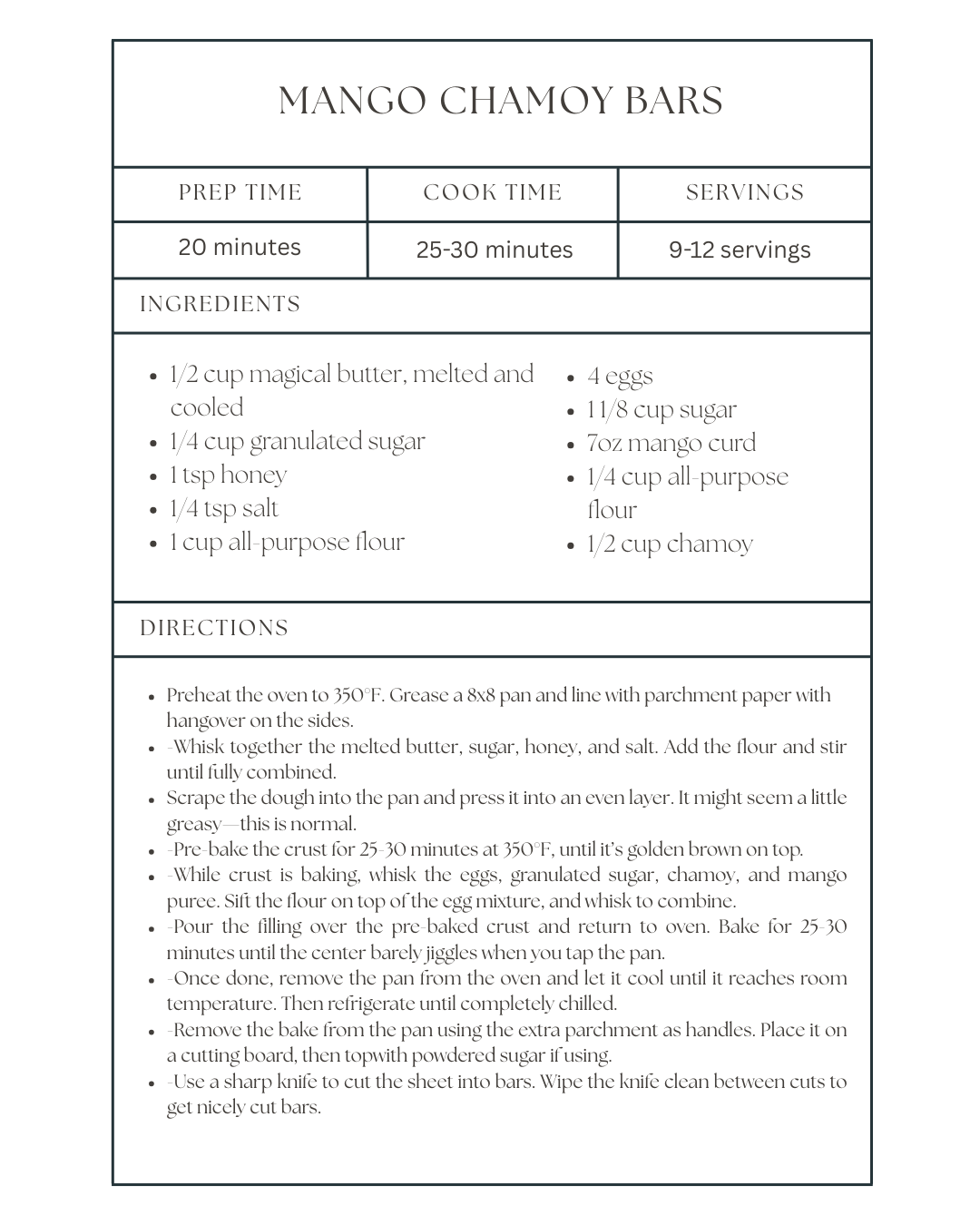
WA: Money is always good. We love to partner with you, and we're excited there's a recipe that you're going to share with us. Can you tell us about it?
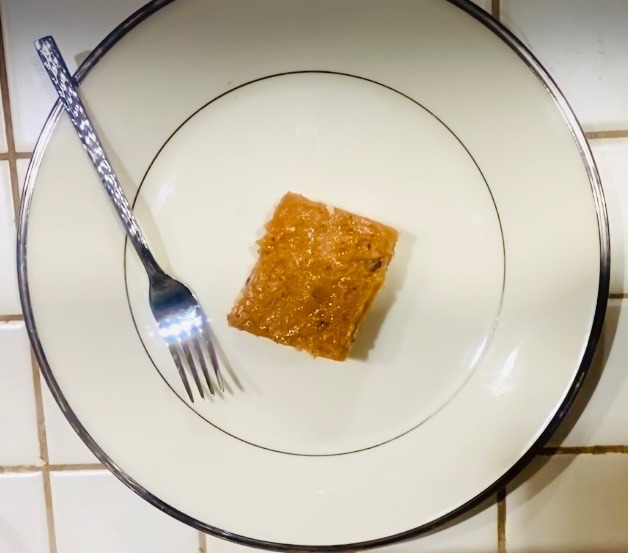
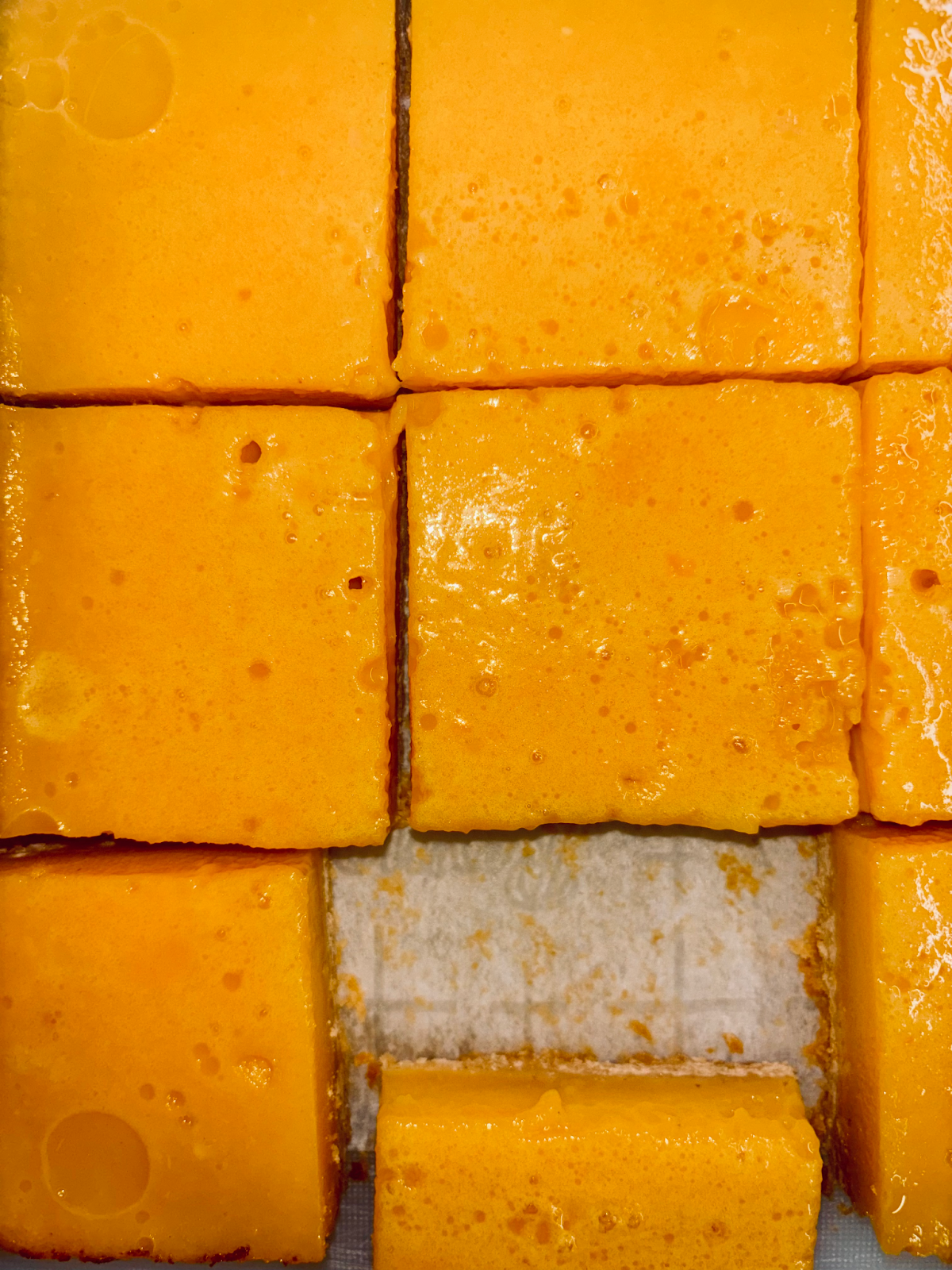
RH: So I have a couple different recipes. I'm doing this one for a holiday party and I'm super excited about it. It's a mango chamoy bar, like mango chamoy curd bar. I'm making a pie just to see if everything can be stable, because I like to do a test. But what it basically is, is a lemon bar structure that I show how to make a homemade chamoy and how to swirl it in, like one of those mango natas like you find in Mexico. It's cold now. I like to have warm flavors or at least pretend I'm in a tropical place when it's 30 degrees. Just manifesting for the summer.
Recipe by Rhiana Hernandez
WA: Beautiful. What do you have coming up that you want to share with the community? Any workshops or events where people can find you?
RH: You can always book me for classes online if you want to learn how to do infused recipes, how to change one or make something new to fit a different dietary restriction or lifestyle. I play with my band a lot, and I'm doing a show at Bridge and Tunnel in January, I believe, on the 29th, but I'll send you a confirmation. I'll make sure the right date is out, but we will be at Bridge and Tunnel next month. And I'll also likely be doing some workshops with The Travel Agency. Their workshop program is growing. Hopefully, I'll be in your living room if you want to book with me. Thank you.
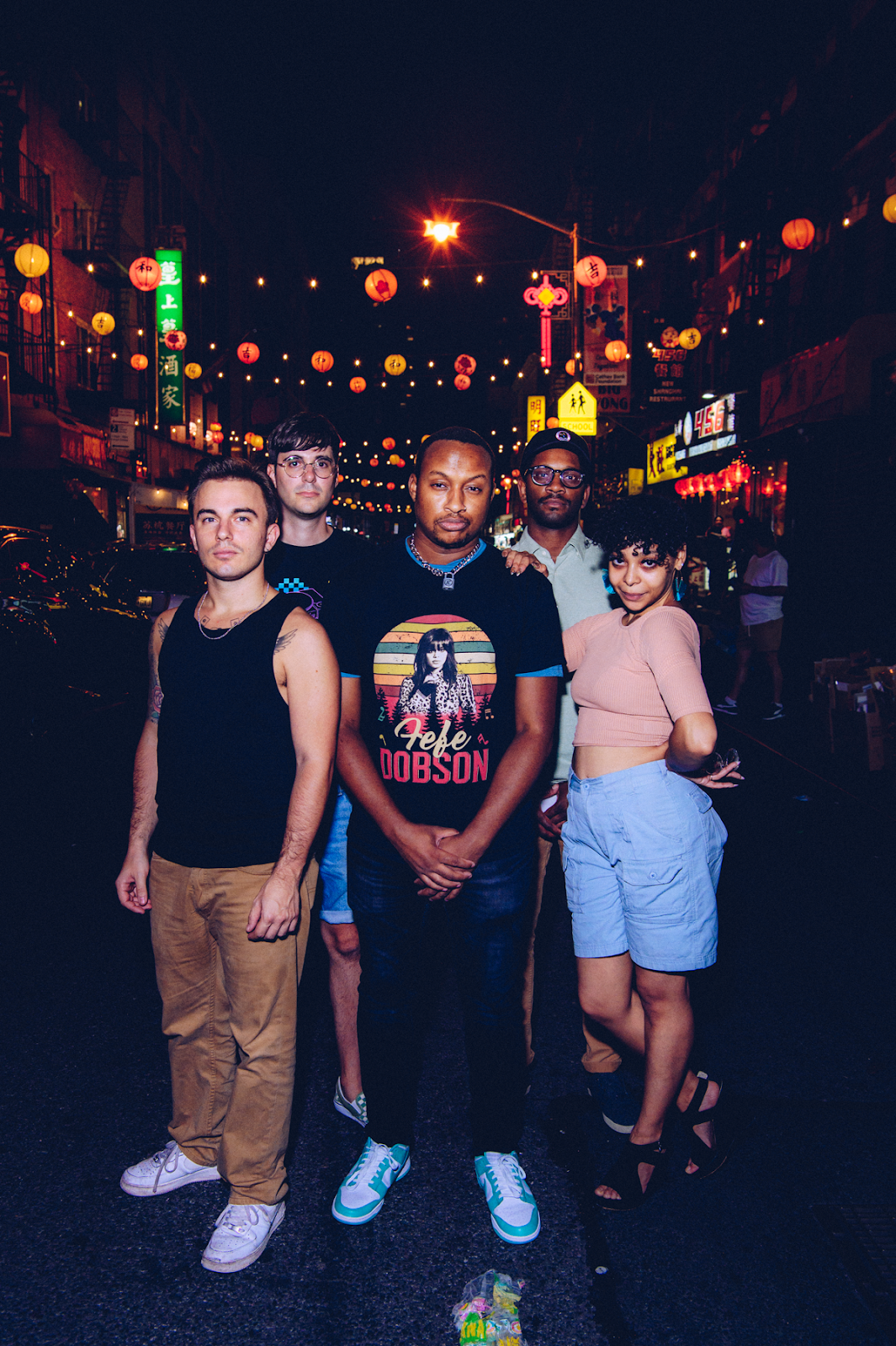
Stay in touch: Instagram | Substack

.jpg)
Harsh Babe (aka Ariel Friedlander) is the Jewish American Pillow Princess of Brooklyn, New York. As a drag queen, organizer, and arts educator, she combines cultural work and whimsy with Many Hands Workshop, Hot Girls Organize and her political home of Jewish Voices for Peace New York.
A proud divacratic socialist, she helps throw drag show fundraisers to elect socialists into office and mobilize the femmes to fight fascism!
You can find Harsh Babe performing on various all star sapphic stages across Brooklyn, including her very own party Dyke Darty every month at The Rosemont. Upcoming shows:
Follow her on Instagram
This interview has been edited and condensed for clarity by Solonje Burnett, Weed Auntie. Watch the teaser.
WA = Solonje Burnett, Weed Auntie
HB = Harsh Babe
WA: Can you tell us your name, preferred pronouns, and what you do for work/passion?
HB: My name is Ariel, and I use she/her pronouns. I also use she/her pronouns in my other name, which is Harsh Babe. I am a drag queen and artist and organizer and educator. I kind of have a beautiful constellation of different occupations and passion projects that make up what I do on a day-to-day basis.
WA: Yaaas, we love a multi-hyphenate! So can you tell us a little bit about your upbringing? Did your environment help to shape how you show up in the world?
HB: I grew up in Delaware, me and Aubrey Plaza and Joe Biden. I went to an art school and I also grew up with type 1 diabetes. I feel like those two things really informed who I am today.
I was diagnosed with my chronic illness at just two and a half years old and that kind of launched me into this accidental activist role from very young because my mom got really involved with fundraising for juvenile diabetes research. Then when I got access to the internet and discovered Tumblr and the glitter feminist movement.
As I look back on it, I got really passionate about social justice, especially through the lens of my life with chronic illness. That's when I started the first feminist club in Delaware, which came out of my art school. From there, I became very political, but it wasn't until I went to college that I learned the difference between an activist and an organizer. I very much see myself more as an informed, educated, and politically conscious organizer now.

WA: What is your relationship to plant medicines? May it be cannabis, hemp, fungi? How do you use them in your day to day?
HB: That's a great question. So like I said, I grew up with chronic illness, type one diabetes, pretty much my entire life. I went to college at the University of Michigan and in the 2010s, you were actually able to get a medical marijuana card. That became really instrumental to my success in college. I was able to get a medical card my sophomore or junior year and that really helped me be able to unwind or sometimes if I had a bad day of high blood sugars, just to literally like physically feel better at the end of the night. So it not only helped me mentally, but physically. I was so grateful that I was able to have that access in the state of Michigan to these medicines, because if I had gone to another college, I might not have been able to access such help and resources.
Also during the lockdown, during the pandemic in the beginning of 2020, I was part of this mutual aid group because I was very high risk for COVID complications. This mutual aid group that helped me get medical marijuana even during lockdown and that was really beautiful and important to me. I'm really grateful for how I was able to access plant medicine at such a young time in my life.

WA: Thank you so much for sharing that. So I've had the pleasure of working with you at SASS as well as watching you work both in the streets and on stage. The first time was at a Mamdani fundraiser at Xanadu. I was like, okay, girl, go off. I didn't even know that you were a drag queen! How did you get into it as a femme?
HB: I was such a big fan of Drag Race. I got into it through my mom and Project Runway at a very young age and then RuPaul’s Drag Race when I was in college. I remember following this one artist, Femme Fatale, who's an incredible drag queen. I pretty much thought if I wanted to be a drag queen myself, I had to be a burlesque dancer and that women couldn't actually be drag queens. Then I found out that Creme Fatale, my favorite drag queen, was literally a woman, a cis woman. And I was like, oh, I can do it too!
Through a protest that I helped organize with this group called Rad Fun at University of Michigan - It was like radical, anti-capitalist, deviance, something, something fun. We put on this protest through campus around graduation where basically it was like a pride parade, say what you want, let's make a ruckus! I invited a couple of drag queens to join me, including Ariana Grindr who would later become my drag mom. And she cannot stop having kids. I was very close to her and all my other sisters in Michigan. Then when I moved here to New York City, I felt like because of the internet, I already had this huge community of really diverse drag performers from kings to queens of all genders and sexualities.
And I also met my second drag mom, Briar Blush, who is recently on RuPaul's Drag Race, who's non-binary and also has a variety of drag children. And it's so funny because I still even today see this discourse go around about how drag is just cis men and dresses and how that's inherently misogynistic or transphobic. And literally off the top of my head, I can maybe only name like three cis gay men in at least my scene here in Brooklyn who do drag. And for the most part, it's like all women, trans people, non-binary people who I know that do drag.
.png)
WA: I think for me it's just like exactly the stereotype that you mentioned and like the exposure of you're somebody who's like a drag race aficionado or somebody who's deeply embedded in the culture you know but I think for most people in the mainstream they have no idea.
HB: Yeah, no idea. Well ask my two non-binary drag moms what they think about that (laughs).
WA: I gotta look up Ariana Grindr.
HB: She's a fungi queen.
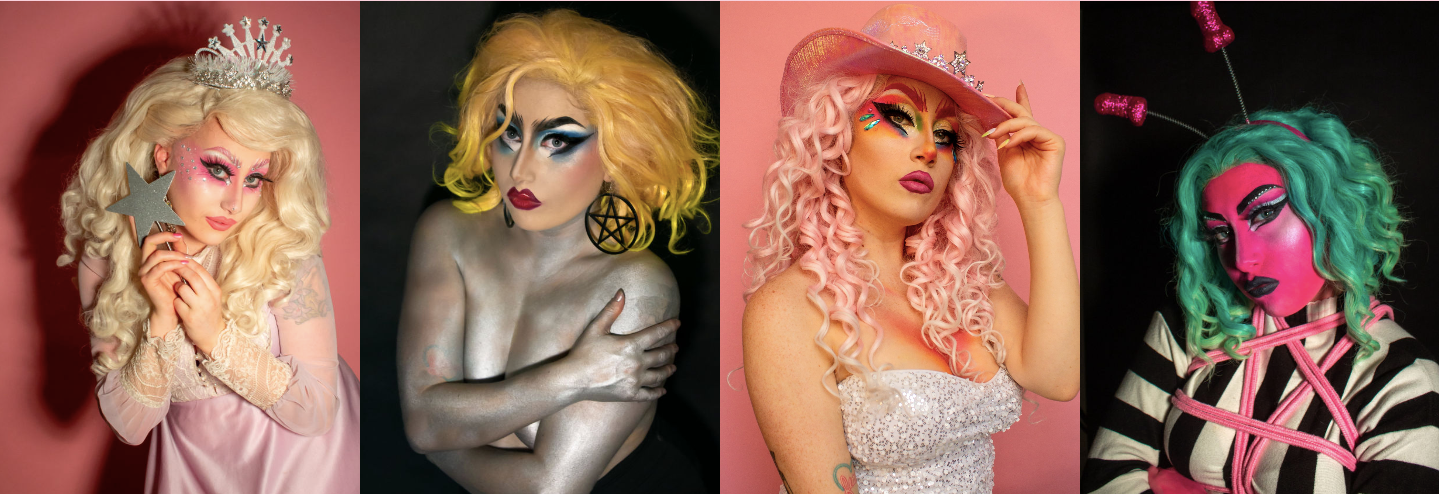
WA: I'm here for it. What sparked the transition from Daya Bee-Dee to the artist now known as Harsh Babe?
HB: I did start under the name Daya Bee-Dee and like I said growing up with chronic illness was like a huge part of not only just my day-to-day life and still is, but also really formative to my politics and greater understanding of the world. When I first started drag, I definitely had a very identity, social justice kind of approach to my drag. And now I'm kind of more of a show, not tell girl and I realized I didn't want my chronic illness to literally define and name me. And it helped that a drag queen named Daya Betty was on RuPaul's Drag Race to finally be the thing that really made me change it.
I chose Harsh Babe originally, it was just supposed to be like a transitory, like temporary name. Like I said, I went to the University of Michigan and it was at that time that I made that name change later in my college years. My biological mother also went to University of Michigan and she was in a girl group called the Harsh Babes and so i thought it'd be really cute if i took on her name but she told me, “um you're not a harsh babe, harsh babes don't wear that much highlighter. Harsh babes are matte and wear red lipstick. You're too shiny to be a harsh babe.” And she's not even a drag queen, so.

WA: Speaking of your moms, how did Briar Blush become your drag mother here in New York?
HB: When I moved to New York, it was literally in 2020 during lockdown. I grew up only a couple hours away. I was an art school kid. I was very publicly out at a young age. It was never if I moved to New York, it was when. I moved here peak lockdown 2020, and obviously I was in this amazing city, but I was mainly online.
Briar Blush was living in Boston at the time. I had done a summer there. I knew a lot of girls in the scene. We became really, really close via FaceTime. She would come and visit as the world started opening up again. She would take me shopping and give me advice and teach me how to do my hair, how to do my makeup. And she called me a Blush, one of her daughters. And I was like, “I already have a drag mom, Dr. Ariana Grindr,” who then moved to Chicago. I love her but we don't see each other every day like we used to and so Briar said, “I give you more drag advice and help you with your drag more than Dr. Ariana Grindr does.”
I kind of couldn't deny that she was, in fact, my mother, even though she's also technically younger than me. I'm so grateful to be a Blush. It's really – and Harsh Babe Blush sounds good. I think so. And I'm literally wearing, like, four blushes right now, so I think it makes sense.
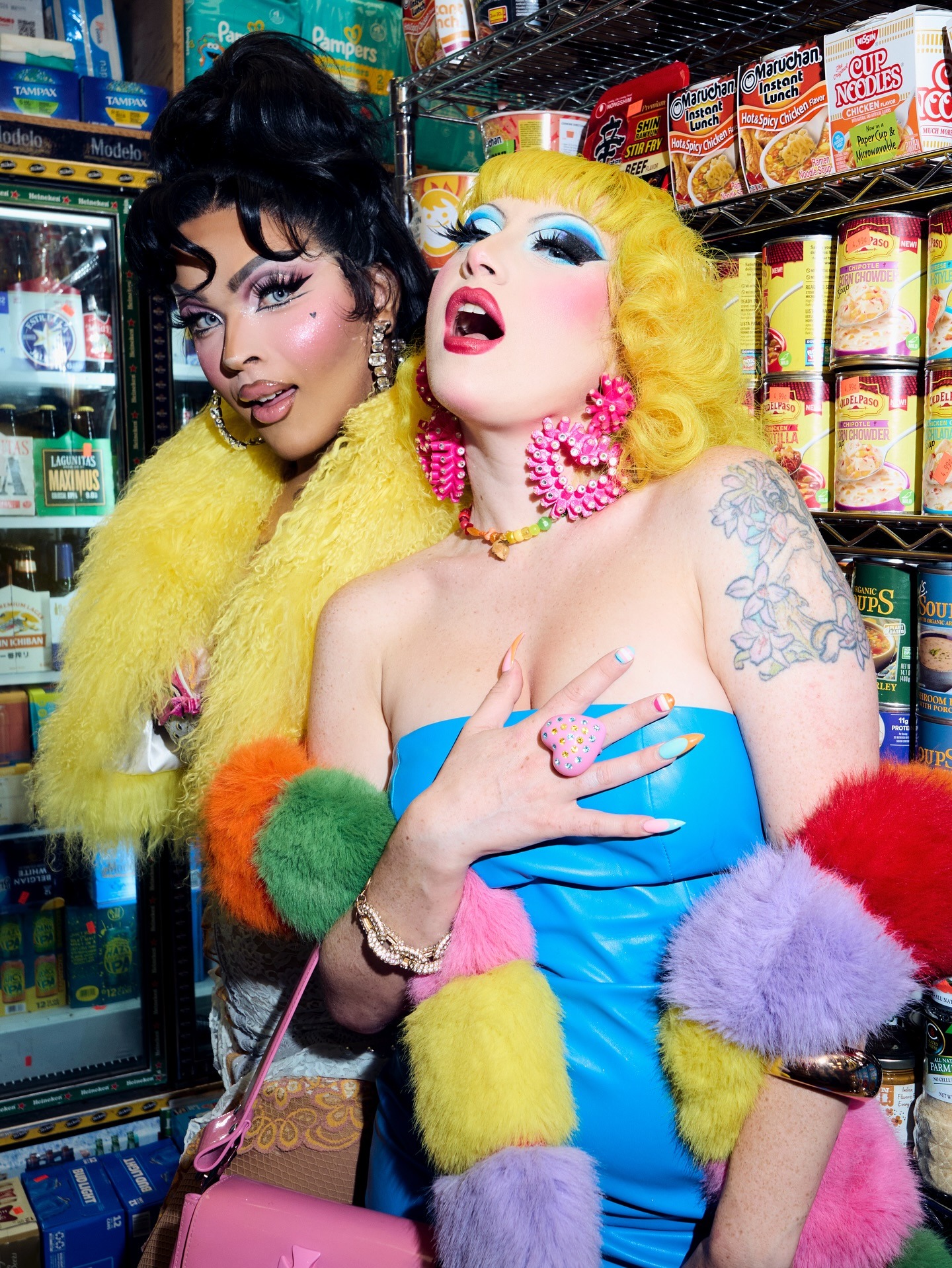
WA: A little Fuck Mary Kill. MAGA Drag Edition. J.D. Vance, George Santos, Rudy Giuliani.
HB: I'm not sleeping with any of those divas. Girl, hand me the gun.
WA: (Laughing hysterically)
HB: No. You want me to go on record and say what MAGA politician I want to marry and fuck?!
WA: Well, as their drag entity, because they've all...
HB Wait they’ve all done drag?
WA: Yes, they've all done drag!
HB: Okay, well, J.D. Vance was chopped… I honestly am not familiar with Rudy Juliana’s.
WA: Juliana!
HB: Juliana!
WA: I wonder if that was her drag name?
HB: Rudy Tootie Giuliani. So I guess I'd fuck her, just for the experience of getting to know her. And then, you know, George Santos' drag is pretty fierce, so... I guess I'm marrying, if you hold a gun to my head.
WA: You have no choice. You would marry George Santos?
HB: No, not on record. Hahaha! Or off. You're crazy for that.
WA: I know I had to. Hahaha! I had to put a spicy one in there for you girl. Oh my god. But when you look at these Republican politicians that are just stripping rights left and right, and then you dig into their past and see so many of them are literally just obsessed.
HB: Gender is a construct, tear it apart.
Well, I'm sure really the thing is they just, these things get unearthed, and I bet they didn't even remember that they too had expressed different genders and, you know, played with sexuality and femininity before, because it was just like a fun activity to do, it was something natural like in their whatever environment they were in at the time to like throw on a wig and have fun.
And then, you know, when they other all of these LGBTQ people and trans people, they're able to say that's not me. I've never done anything that would ever threaten my alpha masculinity I've constructed for myself. When in reality, we're surrounded by gender everywhere, and it's always been fluid, and it's always been just fun to play with, even for the biggest, bigots of them all.

WA: Not as stressful as MAGA drag. So you're such a community queen and who or what inspired your activism beyond, I know you mentioned your diabetes, but and your direct action community organizing, like what keeps you going and how do you find joy in an increasingly compounded grief state?
HB: Yeah, I think something I've always been a really strong believer in is that you're not going to be able to build a movement and get people to fight for the utopia that you dream of, unless you actually create those moments of queer liberation within the struggle.
So in the work that I do, I'm always trying to center the vision and to actually build the future we want to live in while we're still fighting the fascism, bigotry and hate all over the country. It's a lot of organizing behind the scenes isn't very glamorous. It's a lot of meetings and group chats.
And when we do have our moments of coming together and making a very public statement, I think it's really important that we bring people in with joy and not only trying to just say our values, but to make space for who we want in the fight. And for me, everything I do is for the dykes, the dolls, and the divas. And I am going to show up for my community in any space I am in.
I'm never going to compromise who I am to be in a political space. And I think that can shock a lot of people from the outside because we're shown that we have these ideas that certain communities in the struggle have bigoted ideas or closed-minded or the sense of rigidity, but in reality the socialists, the anti-fascists, the anti-Zionists have a lot of diverse community and are very welcoming because they understand that all of us, including queer people, trans people, women, are in the fight too.
So when I do have the chance to make my own community spaces, you may call it, whether it's like a drag show fundraiser or even a direct action, if I can make it really centered to welcoming those dyke, dolls and divas, I will do it because not only do they deserve rights in the future, but they deserve to be heard now.

WA: Ari for President! So this is a question we ask everyone and I would love to know who would be in your dream SASS sweet sash and they could be icons, drag queens, activists, living or deceased.
HB: Wow. OK! If I were to get my dream sweet spot rotation going, I will say I am a Lady Gaga stan. I'm a little monster and Lady Gaga, despite all of her problems and maybe neoliberalism, is invited to the session.
And I'm also going to bring in my girls, let's say, I'm going to bring Chelsea Manning to the session. I'm gonna bring Chrissy Tripecca, a fabulous lesbian pop star. Oh, my gosh.
And I also want to bring Candy Darling. I would love to witness her fabulousness and party together. Oh, my God.
That's such a good question. Living, deceased. Like, I know I'm missing some icons.
And I'm going to bring Machine Dazzle, who is a fabulous artist. I think I'm really curating a visual experience. I can see it. I want everything from like the cunty suits to like the crazy space rocket glitter glamour outfits. And pink. Lots of pink.
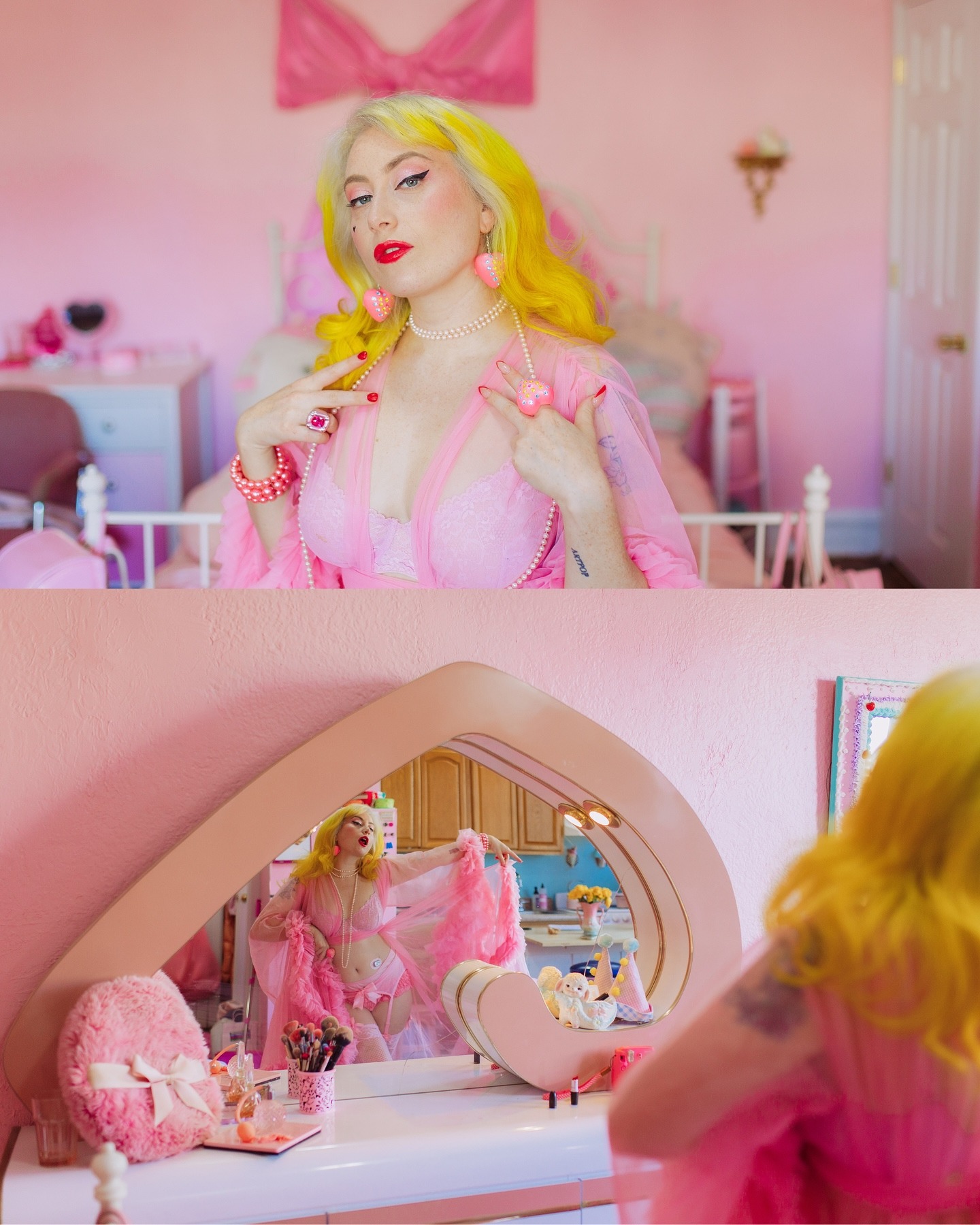
WA: Call it in. I was waiting for you to say our Mayor as well.
HB: Oh, you know. Yeah. Wait. Wait. Okay.
WA: She is like a political baddie. None of them were named but that's okay.
HB: Wait. Okay. I'm visioning everyone literally like on my bed behind me. We're just enjoying. We're femme-afesting. And having a little tree. I don't manifest. I femme-afest!
I'm calling in Candy Darling. I'm calling in Chelsea Manning, the dolls of the past, present, future.
And then I'm also calling in Chrissy Chapeca for the pink and the pop glamour. I'm calling in. I'm going to bring in Darializa (Avila Chevalier), who's running for Congress.
I'm dyke for Darializa. And I feel like, you know, she deserves it. After all, she's been through with the primary. And I'm also going to bring, yeah, I'm going to bring Lady Gaga. Sorry. And I'm going to bring Machine Dazzle. And I feel like, like low key, I'm scared to say this, but I want to bring RuPaul. I'm a RuPaulogist. I'm bringing RuPaul.

WA: Since you're such a diva in the organizing movement, could you name a few groups and orgs that people should be aware of and show up for to start to be movement makers themselves?
HB: Yeah. I, I love this question and what I've been telling people recently, especially since, um, the primaries here in New York is that, all around the country, and I'm thinking specifically of the Briar Blush Fan Club who reached out to me about how they can get more involved in politics, I said “look up your local DSA chapter (the Democratic Socialists of America) and just get involved. Go to 101 session. Become a card carrying member.” I talked to the founder of the Briar Blush Fan Club just a few weeks ago. She had no idea how to get her start. I said, "Follow Hot Girls Organize on Instagram," I'm a proud Hot Girls board member. And little did I know, literally two to three weeks later, she is now organizing a mutual aid drag show with her local DSA chapter in South Carolina.
It's a great place to start and there's chapters all over the country but I'd also really recommend if you're passionate about getting involved with the fight for Palestinian liberation to plug into Jewish Voice for Peace, whether you're Jewish or not you can get involved in the movement and there's also chapters everywhere.
There's tons of groups out there. I think it can be really intimidating to try to find your political home and you might think when you're first entering the political activist organizing sphere that you have to have all the answers, but the reality is you just need to show up. Even if you're just there listening, maybe helping put away the chairs or take out the trash after, you will work your way up into leadership and any good organization will empower you into leadership.
So even just showing up to your local LGBTQ center, seeing what's on their monthly calendars and figuring out how to show up. But a really great place to start is the Democratic Socialists of America. (beeping) Oh, that's my insulin pump. Sorry.

WA: Okay last question. We talked about orgs we could show up for. How can we show up for you? What parties, protests, or performances does Harsh Babe have coming up?
Yeah, so you can follow the @dykedarty Instagram for updates on a monthly dyke, doll, diva drag show I put on at The Rosemont in the summertime. You can also just follow me on my personal Instagram @harshbabe.nyc to find any upcoming shows and also ways to get involved politically. I'd really just encourage people, if they wanna go find not just drag shows that I'm performing in but all of the best sapphic and trans-inclusive events around the city, go to the Dykes & Dolls calendar zine. They have an incredible Instagram and Substack, and they also distribute zines all around the city. We've partnered many, many a time. That's my rec for how to plug into my little world.
WA: Love it. I actually am gonna ask one more bonus question because you are such a super star, ... remiss to not ask you, do you have a favorite SASS product?
HB: Do I have a favorite SASS product? Oh my gosh. This is so vanilla of me, but (laughs) I, I really like the chocolates, but I'm not an edible girly, I'm a flower girly, so I just like the straight-up chocolate. (laughs) I also love the lip balms.
WA: She needs lickable lips. Thank you Ariel!


