SHOW NOW

SHOP NOW
SHOP NOW
SHOP NOW
SHOP NOW
SHOP NOW
SHOP NOW
SHOP NOW
SHOP NOW
SHOP NOW
SHOP NOW


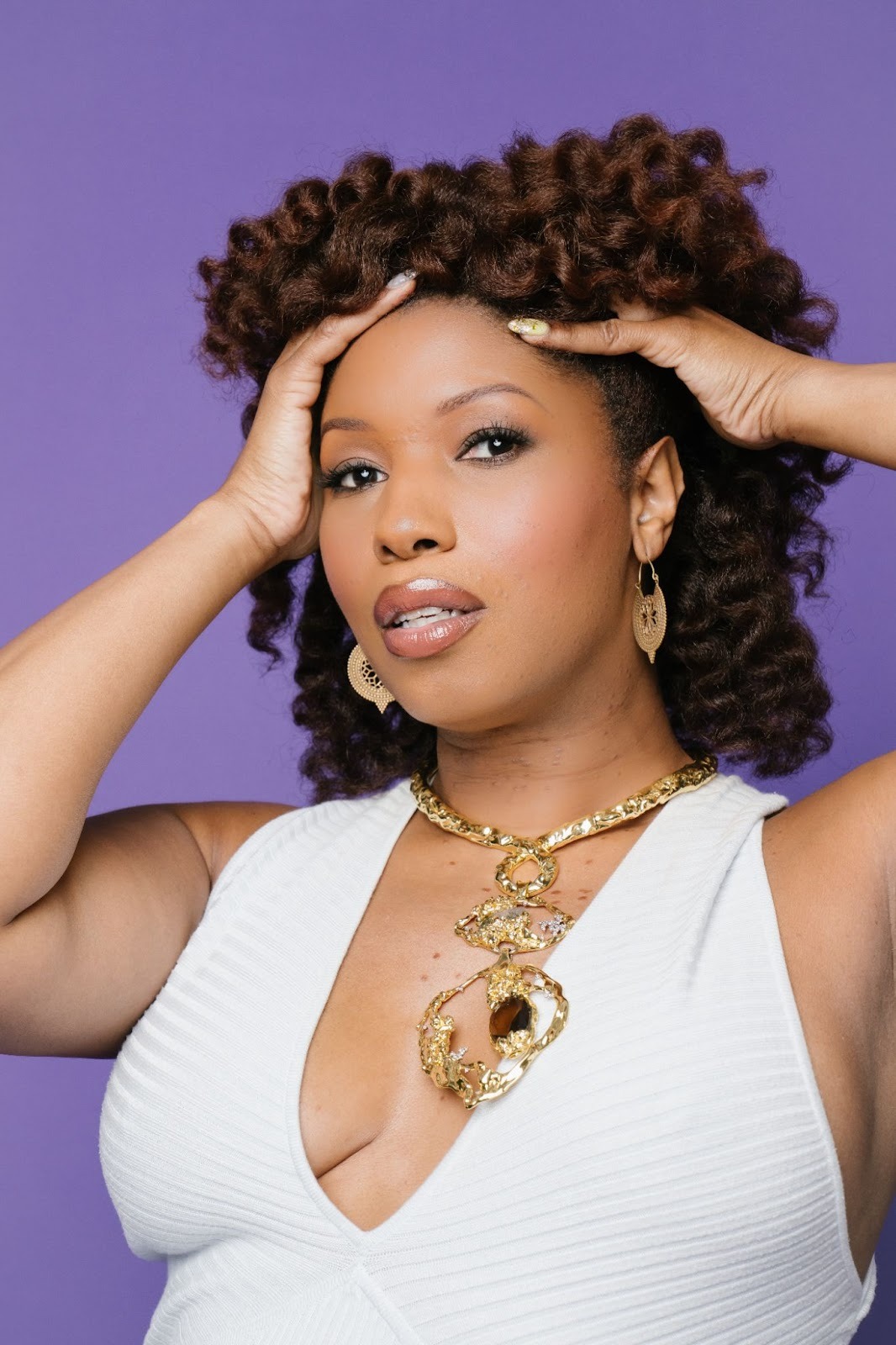
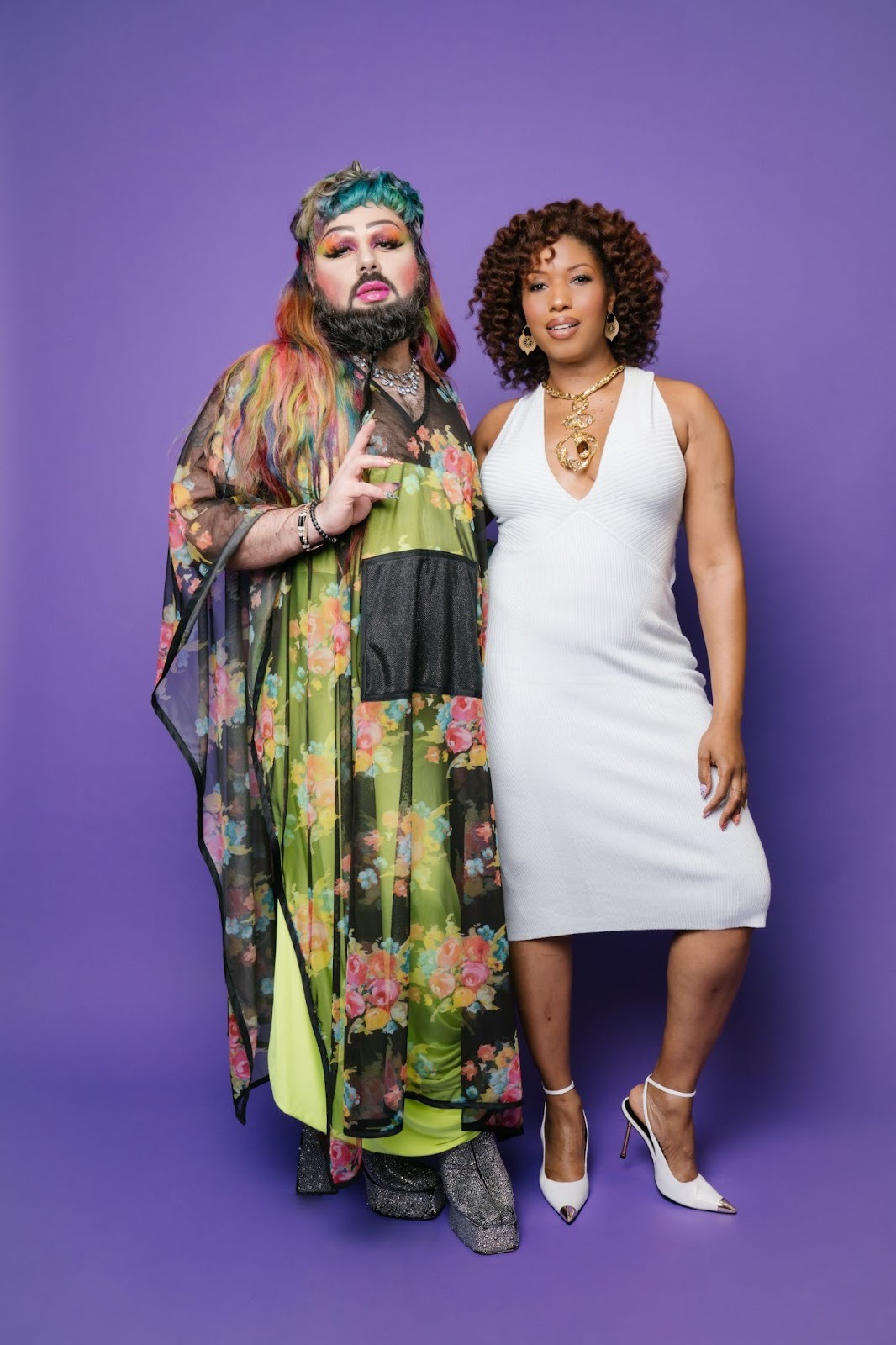
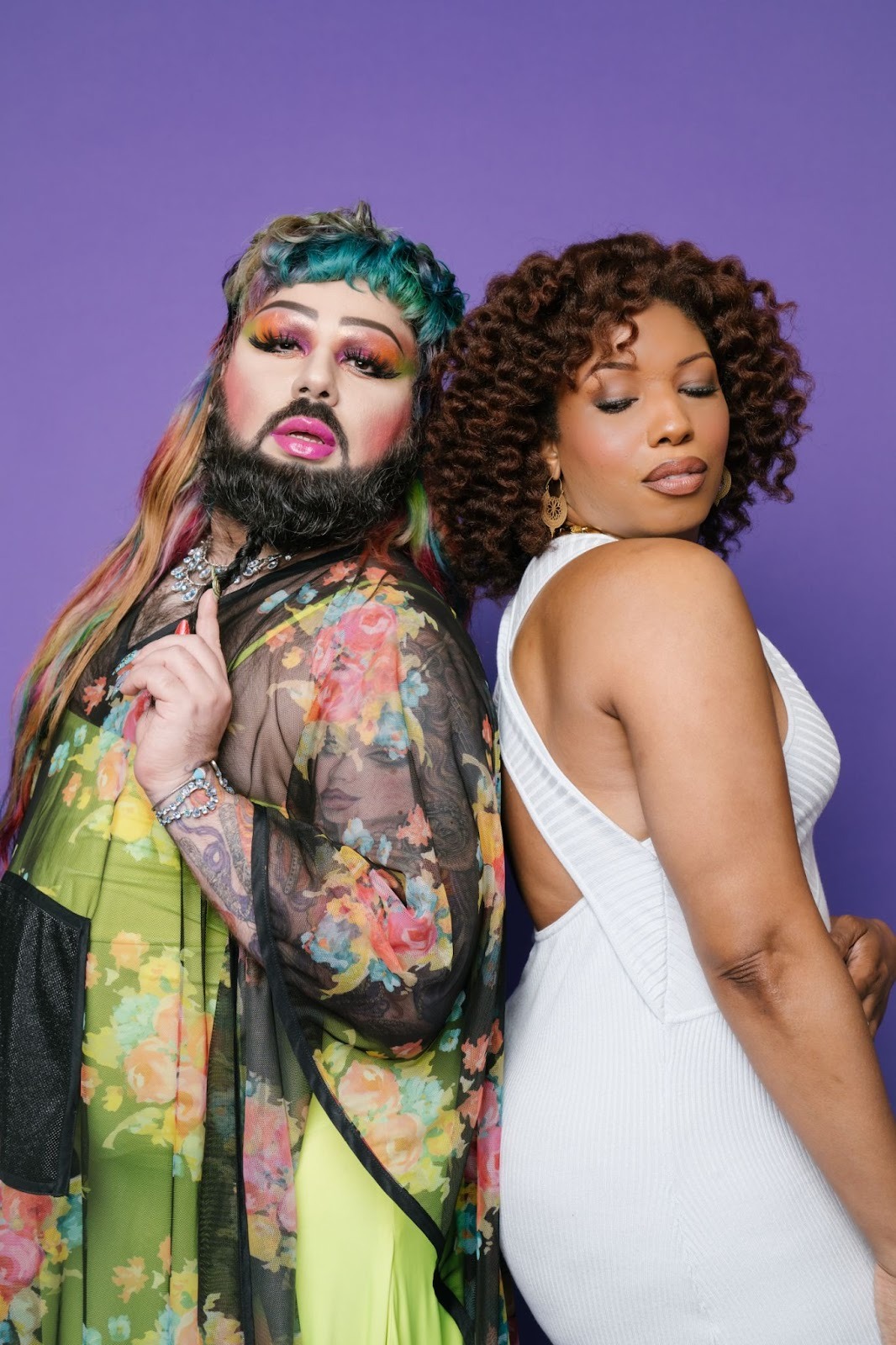
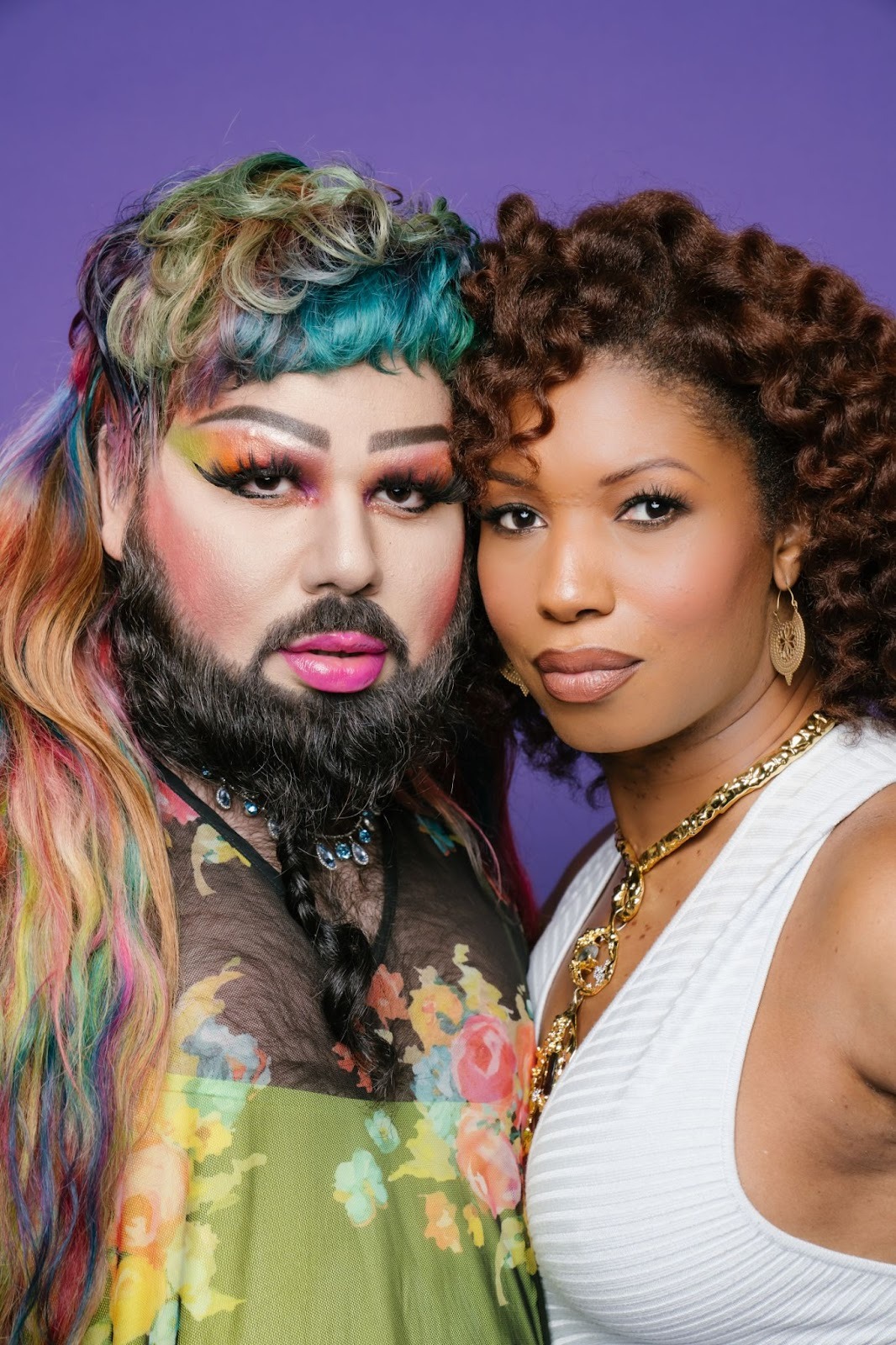
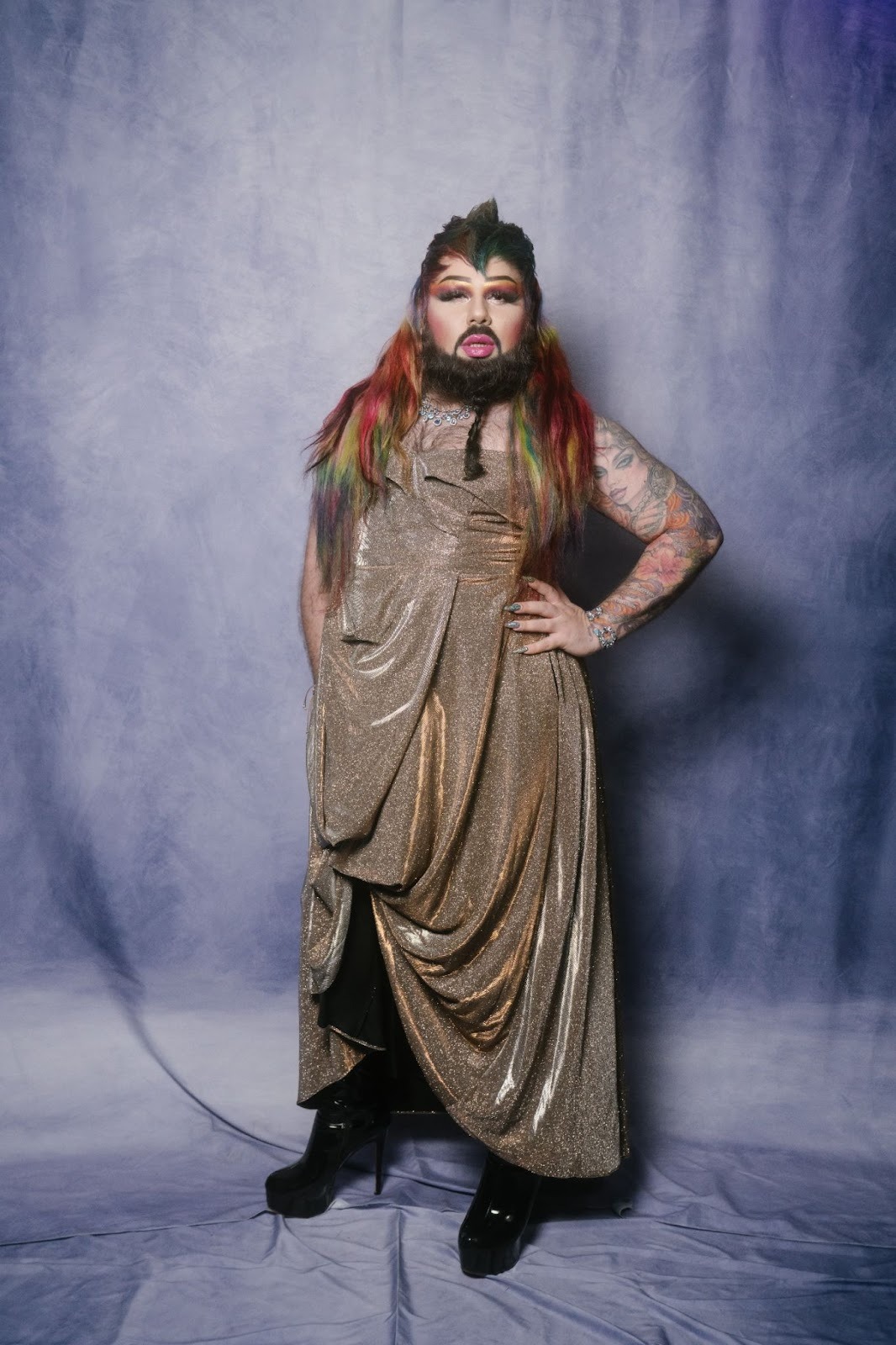
DDPro is a concierge hair, makeup and image consulting company led by Dee TrannyBear-Marino and Deja “The Lady Deja” Smith. DDPro’s aesthetic lies at the intersection of fashion, art, gender and performance; all of which continually influence this dynamic team. Their company perspective is driven by the co-founders trans, ethnic and national identities.
Deja is a descendant of American slavery and Dee is a recent American immigrant from Germany, working together to attain the great “American Dream.” DDPro combines all of their intersectional experiences to produce art that changes the narrative surrounding marginalized people, serves the queer community and shifts the beauty paradigm towards authentically inclusive and affirming media.
DDPro’s client roster is a mélange of unique tastemakers and ambassadors for change. They proudly work with actor/activist Laverne Cox, internationally acclaimed painter Kehinde Wiley, performance artist Alok Vaid-Menon and many other influential leaders across industries.
This is a transcript from our New Year, New You makeover interview during Trans Awareness Month. It has been edited and condensed for clarity by Solonje Burnett, Weed Auntie. Watch the teaser.
WA = Weed Auntie
DS = Deja Smith
DTB = Dee TrannyBear-Marino
WA: How did you get into hair, and what was your path to becoming a hairstylist?
DTB: It's so funny. Ever since I was a kid, I've always played in hair. My sister's dolls, I would change their hair. She would read me to filth. And then when I was in junior high, being that I was so different, I found refuge in hair.
Some of my closest friends were, like, the prettiest girls in the school, and I did all their hair. So hair was always in my life. And we lived in a really, really, small town. I went to school in the bigger city next to it. I found this salon and the owner said “oh, you give me the essence of a hairstylist. I can show you the ways.” And he gave me an apprenticeship, while I was going to school. And that's how it really clicked that I want to be a hairstylist. So I went to Berlin and did my education as a hairstylist.

WA: Oh, I love that, wait, Berlin?
DTB: I grew up in Germany in a very small town. So, it was really interesting being visibly different. In small towns, it's always stunts and shows. And that's why I knew I needed to leave and go somewhere – to a bigger city. I was always drawn to Berlin, because it is like the smaller version of New York. And there I definitely started finding myself. But when I came to NYC, it was a wrap.
WA: Why is it important to highlight + support our Trans siblings during Trans Awareness Month and every month?
DTB: I was gonna say, I'm like, it's important every month. But specifically when we have our holidays, it's really important simply because we are under attack. Celebrating us now is even more crucial than ever before and we deserve it.
If you think about it, we're always on the mood boards. We're never in front. That's why it's so crucial during this fascist administration to center and highlight our Trans siblings. You know what I mean? They try to erase us, but they can't. We have influenced the world since the beginning of time.
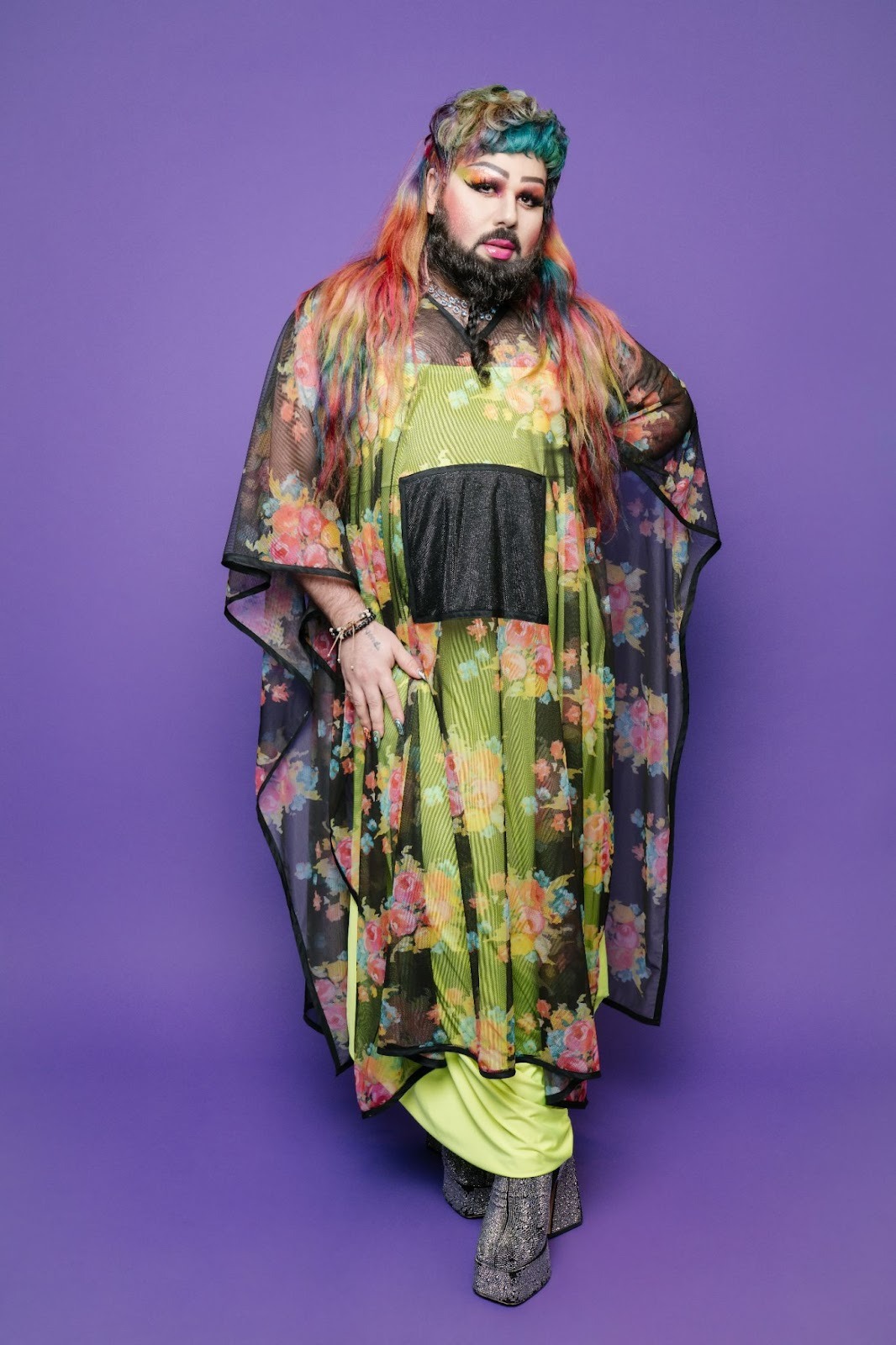
WA: As a hairstylist, who has inspired you?
DTB: Oh, wow. Oh, my God. Definitely a few. One of our friends, Oscar James, I've loved his work for so long. Then there’s Kim Kimble. JAWRA is a hairstylist right now that's really, like, killing it. There's so many hairstylists that I love. I'm not the gatekeeper kind of personality. I like to shout out a lot of folks because it's really incredible we’ve got to meet so many different artists. Also there's Carla Farmer and Tym Wallace – both really incredible hairstylists. Sometimes, in our industry, it can get so competitive that people don't like to necessarily acknowledge other folks. But to me, it's different. I really look up to so many hairstylists that do incredible work.
WA: That's perfect. Thank you so much. We love somebody who opens the door and holds it. Hell, yeah.
DTB: That's the way!
WA: Okay, who do you think is in desperate need of a makeover? Who would you looooooove to just sit down in a chair and fix up?
DTB: Aside from every conservative person in America. I mean, I would only touch her if she gives me millions of dollars, but Caitlyn Jenner is in desperate need of everything.
WA: I'm sorry, that is so true.
DTB: It is. It's a hot mess express, honey, okay? Even with all that money, you still lookin’ a nightmare, honey, okay.
WA: Last question, Dee, darling. Who is your dream client – could be living, dead, or currently on the roster?
DTB: No, I mean, for me, it's like, it would be a dream to work with Beyonce. Full stop. Even if I just color a wig for her, girl, give me one of your pieces and I'll do that. That would be a dream.
WA: I just wanna see that hair blowing in the wind.
DTB: Okay, period, absolutely.
WA: Alright, darling Deja. Deja, darling, what drew you to becoming a makeup artist?
DS: Wow, I was always an artist, and makeup was the thing that I snuck around and did when I was a child prior to transition. As an AMAB individual, I was raised very religious. Anything effeminate was highly disregarded and dangerous, not only in my household, but also in my community.
So my mother actually worked for Fashion Fair, and then she transitioned to becoming a police officer. When she was away doing 12-hour shifts, I would be in her makeup, playing and creating for myself these images. I don't know what made me think that I could do that or I should do that, but I wanted to apply cosmetics to myself. So as a child, I often got caught and reprimanded for doing so, but it was something I needed to do.
As I got older, being kind of a shy, reserved child and then teenager, I spent a lot of time in the library. Always in the creative arts section. One day I found Kevyn Aucoin's book ‘Making Faces” and that changed everything for me. The fact that you could transform who you are into somebody else, it's amazing.

WA: Hair and makeup is so relevant in queer culture, particularly for Trans people and drag queens. Can you just speak to the importance of makeup and being able to be yourself?
DS: For sure. Earlier on in my career when I was working, makeup was my armor. I would put on a lot. Maybe I didn't put it on or apply in such a beautiful way, but it was really my statement to the world that I wasn't scared and this is who I was and you were gonna respect me as the person that I was showing you as. Even though I didn't really have the nerve, the courage to maybe say that, my image was the statement that I was making, my assertion that I was who I said I was.
But now, having been Trans for quite a while at this point, navigating both trans spaces and cishet spaces, and maybe passing at some points, maybe not at others, having attempted to be stealth at times and not, I realized that makeup is a tool that I can utilize for defense, but it's also a tool that I can utilize to express who I am inside and also help other people express who they are with visual markers that other human beings might understand and may not. It is a gift to be able to give somebody the ability to fully express who they are and I love it for that reason.
WA: Thank you. She’s emotional over here. Why is highlighting and supporting our Trans siblings so critically important this month and every month?
DS: Definitely every month, this month because, this month during this unfortunate political regime, it's more important than ever to stand 10 toes down on the business of being fully authentic to who we are and being fully present in every space. It's beyond valuable to allow the world to see that we are real human beings with complex emotions and lives like everyone else and you need to be aware that we exist or else you will be easily swayed into eradicating us and that's not gonna happen. We're not going anywhere.
WA: Sounding like my favorite pageant queen. Just kidding.
DS: Where's my crown?
WA: I'm trying not to cry, so I'm just gonna laugh a little bit. Give her her tiara.
DS: Right? It's been so long. You already know.
WA: Next question is who inspires you most as a makeup artist or who are your favorite makeup artists in the space?
Yes, I would begin with Kevyn Aucoin because he was one of the first celebrity makeup artists that I knew of. Sam Fine, because he highlighted black women so beautifully and expressed our cultural relevance in beauty and grooming in such a gorgeous way that it really changed the culture.
Some of the lesser known artists who I really admire, and it's hard for me to say I admire anyone anymore, but I highly admire Fran Cooper who shifted the makeup world in the 70s and continues to work well into the 90s and 2000s. Also a major impact in the beauty world as well as my drag mother, Kelexis Davenport, who gave me the skillset to develop a craft for myself. So, mama, look at me now.
WA: Second to last question, who would you like to give a makeover? Who is looking just messy?
DS: Oh, God, that's a really hard question. I don't want to give anybody a makeover. The only people who need makeovers are people I would never touch. You know.
WA: That is a statement. Deja stayed Switzerland while Dee went off!
DTB: Yeah, someone has to do it. That bitch needs to be dragged.
WA: I love it. Last but not least, who is your dream client, if you could only choose one, and they can be living, dead, or currently on your roster?
DS: You know, at first I was gonna say I don't have a dream client. I do, but all of my current clients, all the talented people that I work with are already my dream clients.
I am very, very blessed and lucky to work with such an esteemed group of people, mostly femmes, non-binary people, even the men, but mostly the femmes really just do it for me.
I'm always inspired by how brilliant they are. They're change makers, they're risk takers, and that's something that just drives me forward. But if I could have my wish, I have two dream clients. Number one is Josephine Baker, my patron saint. And living, my forever first lady, Michelle Obama. I would love to work with you. Anytime. Just gloss? Sure, I got you.
WA: Okay. Just apply that gloss.
DS: Anything you want. Yes. I got you.
DTB: And you know, we got so close to doing them because Kehinde was supposed to do a family portrait of them. I remember. He said he would've used us to do their glam for it.
DS: I was so sad when that didn't happen. I was like, we gotta have Obamas.
WA: You never know, I still believe you might just get them.
WA: How did DDPro come to be? Tell us your story.
DS: Through our friend and amazing drag queen Harmonica Sunbeam. She brought us together to do her hair and makeup for her birthday show for her world-famous Sunday Tea Dance at Nueva Escolita, back in the day before it closed. It was an iconic nightclub in New York City and we were both nightclub girlies.
DTB: Young little kittens, honey.
WA: How long ago was that?
DTB: That was in 2010.
WA: And y'all just like met there? What broke the ice?
DTB: Well, Deja actually noticed me at the tea dance
DS: Correct!
DTB: Because I had just moved to New York two years before and I just kind of started dabbling into like queer nightlife. I was trying to find myself and she kind of noticed me right away just sticking out. (Laughs)
DS: For sure. I've always looked for charisma, uniqueness, nerve, and talent. And at the end of Harmonica's Tea Dance, she would always do a walk-off like a runway battle and Dee was this one obvious standout in that Black and Latinx nightclub.
Every week without fail there would be one unique person with a mohawk, white lipstick, glasses, black high-heeled Mary Jane shoes that would, with a very long ponytail in the back that would pump back and forth. And I'm just like, who the hell is this person? And it turned out to be Dee TrannyBear. Yes, God.
DTB: And it was so funny because when we did Harmonica together, we just, honestly, we worked so well together and it just made sense. Then we were like, oh, well we should give this a try.
DS: Yeah. I think Dee might've called me in
DTB: For a gig. Exactly. Yeah.
DS: And then I called Dee in for a job and then we like, okay, this is our flow really-
DTB: And then a really big gig happened and that's when it really became official.
DS: Yes, official. For sure.
WA: Who was the really big gig?
DS: Kehinde Wiley.
DTB: Correct!
DS: Yeah. Our first big gig in the nightclub because of Dee TrannyBear.
DTB: That's right. Because at this amazing little DL club, he came up to me and was like, what's going on here? And that's how we met.
WA: That's incredible. Because I remember back in the day when the Obama portraits came out y'all were there.
DS: We were.
WA: I literally was like, wait, who, how are they? Okay, Kehinde.
DTB: Yeah, we did his first women's exhibition, which was called Economy of Grace. And we got to do other models' hair and makeup. That was really a once in a lifetime kind of experience, especially for Trans and non-binary folks to do this. It was really, really special.
DS: And we were so early in our career.
DTB: Yes.
DS: Like we, there was no fear. We didn't know enough to be scared or have any parameters on what we could do. And he gave us free range to kind of express and create with him in tandem and with a world famous fashion designer as well.
DTB: But I really think that he loved that. He loved that we were living art in a way. You know what I mean? We just stood true to ourselves. And that's what I believe he appreciated the most. That's why he was like, oh no, I definitely want to work with y'all.
WA: I love that. Honestly, y'all are living art.
(Both DTB & DS laugh)
WA: Can you list some of your most iconic, well-known celebrity clients? Name, drop, honey. Go off!
DTB: Well, we started with Kehinde.
DS: Obviously Laverne Cox.
DTB: Correct. Our girl.
DS: Yes. Queen Latifah, Michelle Buteau, Angelica Ross, Billy Porter.
DTB: Sonny Houstin I've worked with. Oh God, I'm kind of blanking.
DS: Name it, claim it, honey.
DTB: Okay. Lord.
DS: A lot of people.
(WA laughs)
DS: Sheryl Lee Ralph. Jenifer Lewis.
WA: Yes, Queens!
DTB: Divas, honey. Okay.
DS: Divas.
DTB: Deja brought me in for Jenifer Lewis.
DS: Oh, that's right! Jenifer Lewis at Carnegie Hall.
DTB: So many, especially queer celebs like Michaela J Rodriguez, Joslyn DeFreece, Peppermint. Oh my God. Like there's so many. It's just a blessing to work with special folks for real.
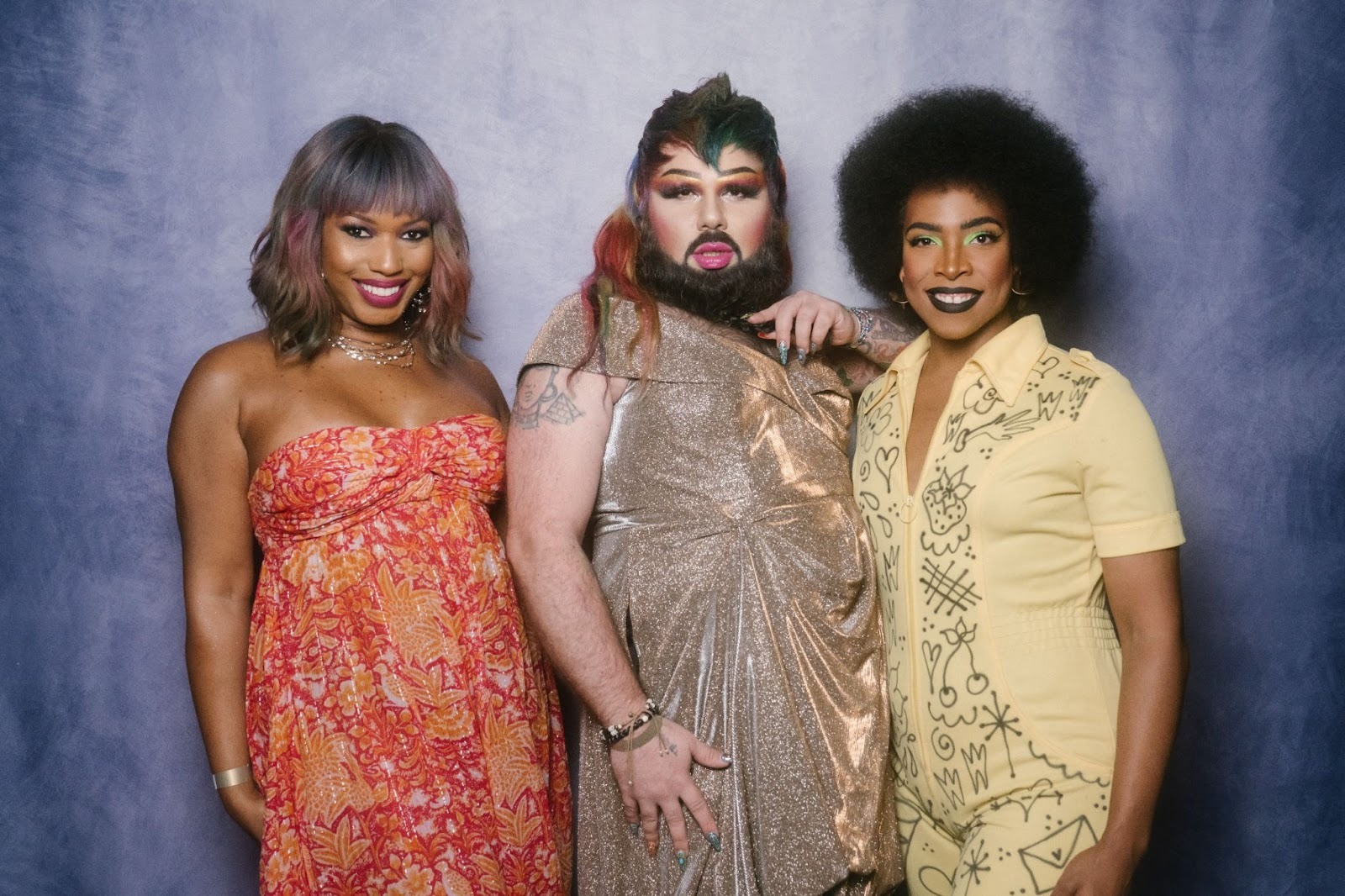
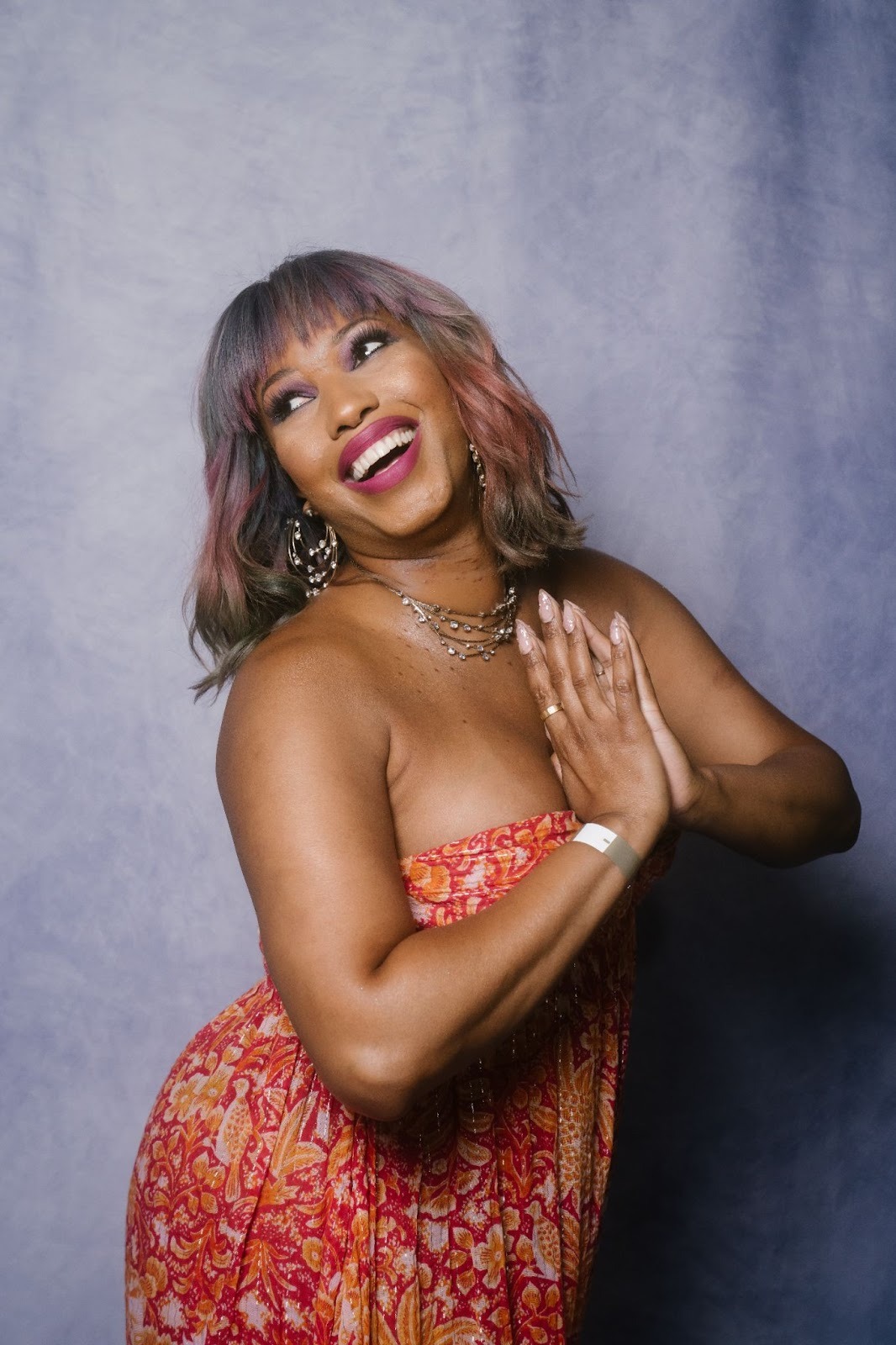
WA: When did you start this New Year, New You campaign and why is it important to you?
DS: We started the New Year, New You campaign during the pandemic. It was an interesting time for us. First of all, I don't think either of us has stopped moving from the time we knew each other till then. Just trying to hustle. We live in New York City and we're artists and creatives in a place that is full of creative people in our same career path. So if you stop, you die. We definitely were also in survival mode.
DTB: Yeah.
DS: So to have this moment where the world is literally surviving and we are all kind of trapped at home together. I think many people, especially I can speak for myself, forgot about who I was. The concept of a New year, New you is for all of us to just remember that we can continue developing who we are. We don't have to be stagnant in where we were, you know, the year before, the day before, an hour before – you can always decide in the moment to change, to grow and to be a better version of yourself.
WA: Dee, is there anything you want to add?
DTB: The whole purpose of New Year, New You is really just to keep celebrating who you are and refresh that, right?
WA: The evolution of you.
DTB: Period. We never stopped growing. Don't ever forget that.
WA: What will the giveaway winner win?
DTB: Well, you get a makeover with us.
DS: Yes. And we call that the DDPro Experience.
DTB: Period.
DS: It's a very unique time just to kind of download who you are and allow us to kind of upload what we hear from you into the hair and makeup that we help you to create to take yourself into your next new year.
DTB: Exactly, enhancing what you already have, but making you feel even more proud of yourself and your beauty.
DS: Number one is to be you, because you are the best part of this whole makeover experience.
DTB: Oh, yeah. There's a gift bag!
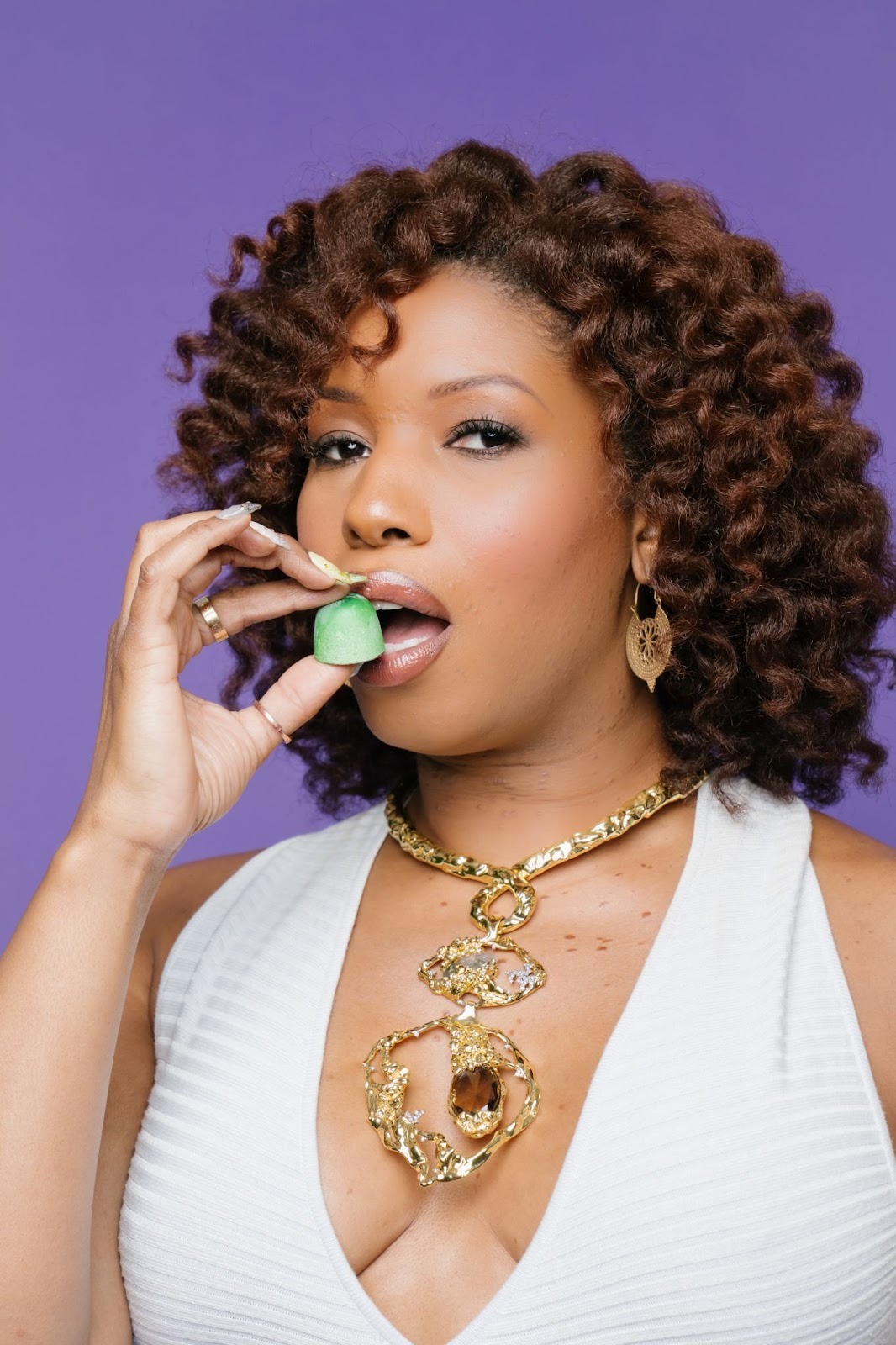
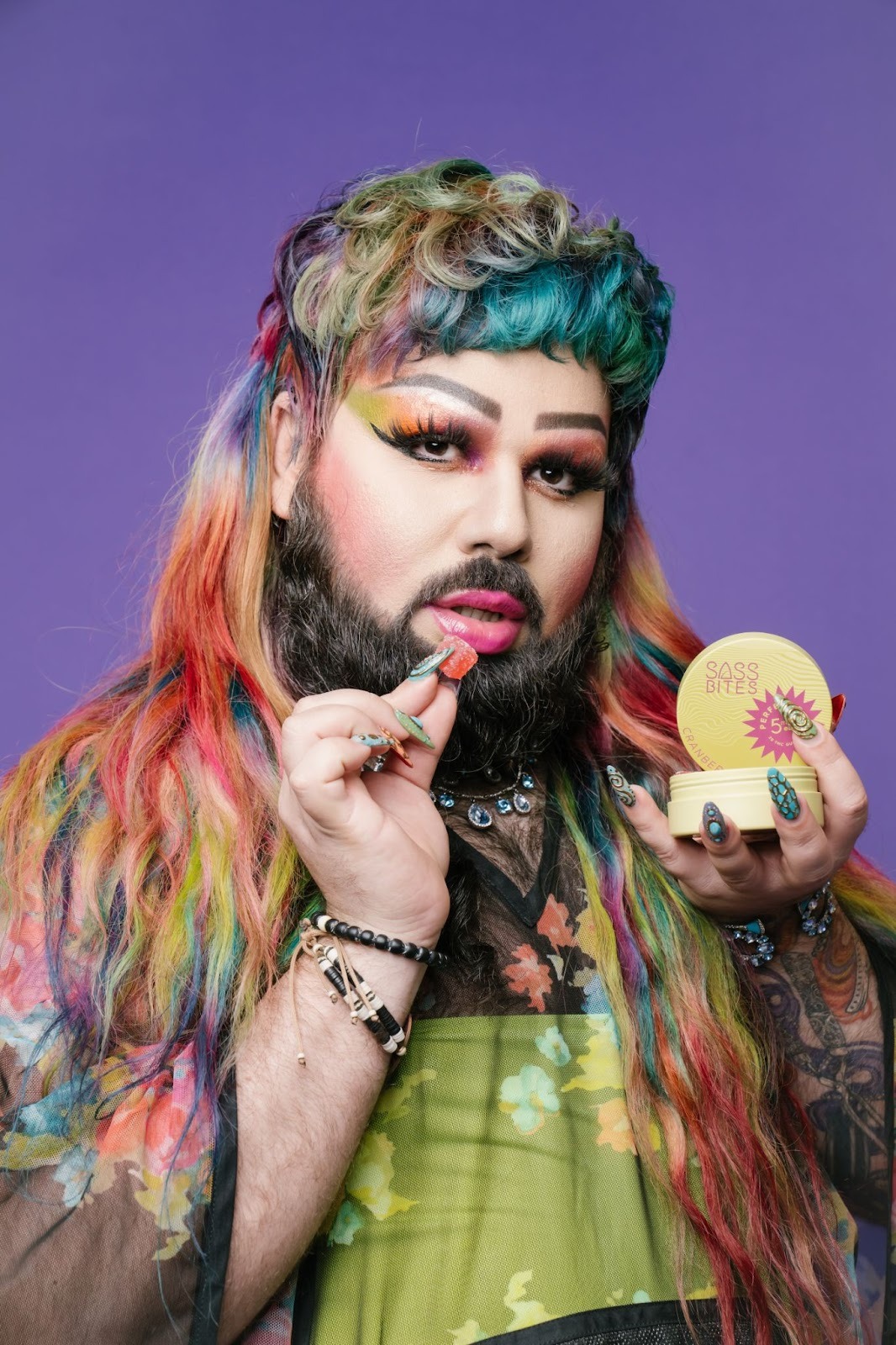
DS: Yes. We love a goodie bag. So it'll always be a bunch of high end products from hair and makeup, as well as our friends at SASS will be donating some very delicious sumptuous treats for you.
DTB: Just a little something, you know.

.jpg)
Harsh Babe (aka Ariel Friedlander) is the Jewish American Pillow Princess of Brooklyn, New York. As a drag queen, organizer, and arts educator, she combines cultural work and whimsy with Many Hands Workshop, Hot Girls Organize and her political home of Jewish Voices for Peace New York.
A proud divacratic socialist, she helps throw drag show fundraisers to elect socialists into office and mobilize the femmes to fight fascism!
You can find Harsh Babe performing on various all star sapphic stages across Brooklyn, including her very own party Dyke Darty every month at The Rosemont. Upcoming shows:
Follow her on Instagram
This interview has been edited and condensed for clarity by Solonje Burnett, Weed Auntie. Watch the teaser.
WA = Solonje Burnett, Weed Auntie
HB = Harsh Babe
WA: Can you tell us your name, preferred pronouns, and what you do for work/passion?
HB: My name is Ariel, and I use she/her pronouns. I also use she/her pronouns in my other name, which is Harsh Babe. I am a drag queen and artist and organizer and educator. I kind of have a beautiful constellation of different occupations and passion projects that make up what I do on a day-to-day basis.
WA: Yaaas, we love a multi-hyphenate! So can you tell us a little bit about your upbringing? Did your environment help to shape how you show up in the world?
HB: I grew up in Delaware, me and Aubrey Plaza and Joe Biden. I went to an art school and I also grew up with type 1 diabetes. I feel like those two things really informed who I am today.
I was diagnosed with my chronic illness at just two and a half years old and that kind of launched me into this accidental activist role from very young because my mom got really involved with fundraising for juvenile diabetes research. Then when I got access to the internet and discovered Tumblr and the glitter feminist movement.
As I look back on it, I got really passionate about social justice, especially through the lens of my life with chronic illness. That's when I started the first feminist club in Delaware, which came out of my art school. From there, I became very political, but it wasn't until I went to college that I learned the difference between an activist and an organizer. I very much see myself more as an informed, educated, and politically conscious organizer now.

WA: What is your relationship to plant medicines? May it be cannabis, hemp, fungi? How do you use them in your day to day?
HB: That's a great question. So like I said, I grew up with chronic illness, type one diabetes, pretty much my entire life. I went to college at the University of Michigan and in the 2010s, you were actually able to get a medical marijuana card. That became really instrumental to my success in college. I was able to get a medical card my sophomore or junior year and that really helped me be able to unwind or sometimes if I had a bad day of high blood sugars, just to literally like physically feel better at the end of the night. So it not only helped me mentally, but physically. I was so grateful that I was able to have that access in the state of Michigan to these medicines, because if I had gone to another college, I might not have been able to access such help and resources.
Also during the lockdown, during the pandemic in the beginning of 2020, I was part of this mutual aid group because I was very high risk for COVID complications. This mutual aid group that helped me get medical marijuana even during lockdown and that was really beautiful and important to me. I'm really grateful for how I was able to access plant medicine at such a young time in my life.

WA: Thank you so much for sharing that. So I've had the pleasure of working with you at SASS as well as watching you work both in the streets and on stage. The first time was at a Mamdani fundraiser at Xanadu. I was like, okay, girl, go off. I didn't even know that you were a drag queen! How did you get into it as a femme?
HB: I was such a big fan of Drag Race. I got into it through my mom and Project Runway at a very young age and then RuPaul’s Drag Race when I was in college. I remember following this one artist, Femme Fatale, who's an incredible drag queen. I pretty much thought if I wanted to be a drag queen myself, I had to be a burlesque dancer and that women couldn't actually be drag queens. Then I found out that Creme Fatale, my favorite drag queen, was literally a woman, a cis woman. And I was like, oh, I can do it too!
Through a protest that I helped organize with this group called Rad Fun at University of Michigan - It was like radical, anti-capitalist, deviance, something, something fun. We put on this protest through campus around graduation where basically it was like a pride parade, say what you want, let's make a ruckus! I invited a couple of drag queens to join me, including Ariana Grindr who would later become my drag mom. And she cannot stop having kids. I was very close to her and all my other sisters in Michigan. Then when I moved here to New York City, I felt like because of the internet, I already had this huge community of really diverse drag performers from kings to queens of all genders and sexualities.
And I also met my second drag mom, Briar Blush, who is recently on RuPaul's Drag Race, who's non-binary and also has a variety of drag children. And it's so funny because I still even today see this discourse go around about how drag is just cis men and dresses and how that's inherently misogynistic or transphobic. And literally off the top of my head, I can maybe only name like three cis gay men in at least my scene here in Brooklyn who do drag. And for the most part, it's like all women, trans people, non-binary people who I know that do drag.
.png)
WA: I think for me it's just like exactly the stereotype that you mentioned and like the exposure of you're somebody who's like a drag race aficionado or somebody who's deeply embedded in the culture you know but I think for most people in the mainstream they have no idea.
HB: Yeah, no idea. Well ask my two non-binary drag moms what they think about that (laughs).
WA: I gotta look up Ariana Grindr.
HB: She's a fungi queen.
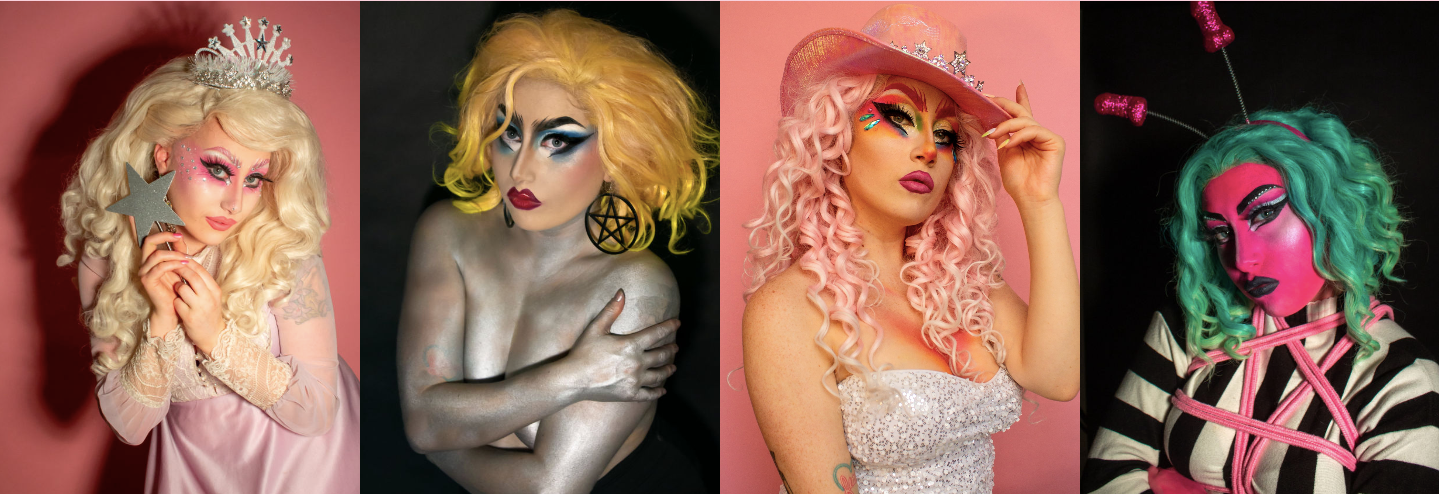
WA: I'm here for it. What sparked the transition from Daya Bee-Dee to the artist now known as Harsh Babe?
HB: I did start under the name Daya Bee-Dee and like I said growing up with chronic illness was like a huge part of not only just my day-to-day life and still is, but also really formative to my politics and greater understanding of the world. When I first started drag, I definitely had a very identity, social justice kind of approach to my drag. And now I'm kind of more of a show, not tell girl and I realized I didn't want my chronic illness to literally define and name me. And it helped that a drag queen named Daya Betty was on RuPaul's Drag Race to finally be the thing that really made me change it.
I chose Harsh Babe originally, it was just supposed to be like a transitory, like temporary name. Like I said, I went to the University of Michigan and it was at that time that I made that name change later in my college years. My biological mother also went to University of Michigan and she was in a girl group called the Harsh Babes and so i thought it'd be really cute if i took on her name but she told me, “um you're not a harsh babe, harsh babes don't wear that much highlighter. Harsh babes are matte and wear red lipstick. You're too shiny to be a harsh babe.” And she's not even a drag queen, so.

WA: Speaking of your moms, how did Briar Blush become your drag mother here in New York?
HB: When I moved to New York, it was literally in 2020 during lockdown. I grew up only a couple hours away. I was an art school kid. I was very publicly out at a young age. It was never if I moved to New York, it was when. I moved here peak lockdown 2020, and obviously I was in this amazing city, but I was mainly online.
Briar Blush was living in Boston at the time. I had done a summer there. I knew a lot of girls in the scene. We became really, really close via FaceTime. She would come and visit as the world started opening up again. She would take me shopping and give me advice and teach me how to do my hair, how to do my makeup. And she called me a Blush, one of her daughters. And I was like, “I already have a drag mom, Dr. Ariana Grindr,” who then moved to Chicago. I love her but we don't see each other every day like we used to and so Briar said, “I give you more drag advice and help you with your drag more than Dr. Ariana Grindr does.”
I kind of couldn't deny that she was, in fact, my mother, even though she's also technically younger than me. I'm so grateful to be a Blush. It's really – and Harsh Babe Blush sounds good. I think so. And I'm literally wearing, like, four blushes right now, so I think it makes sense.
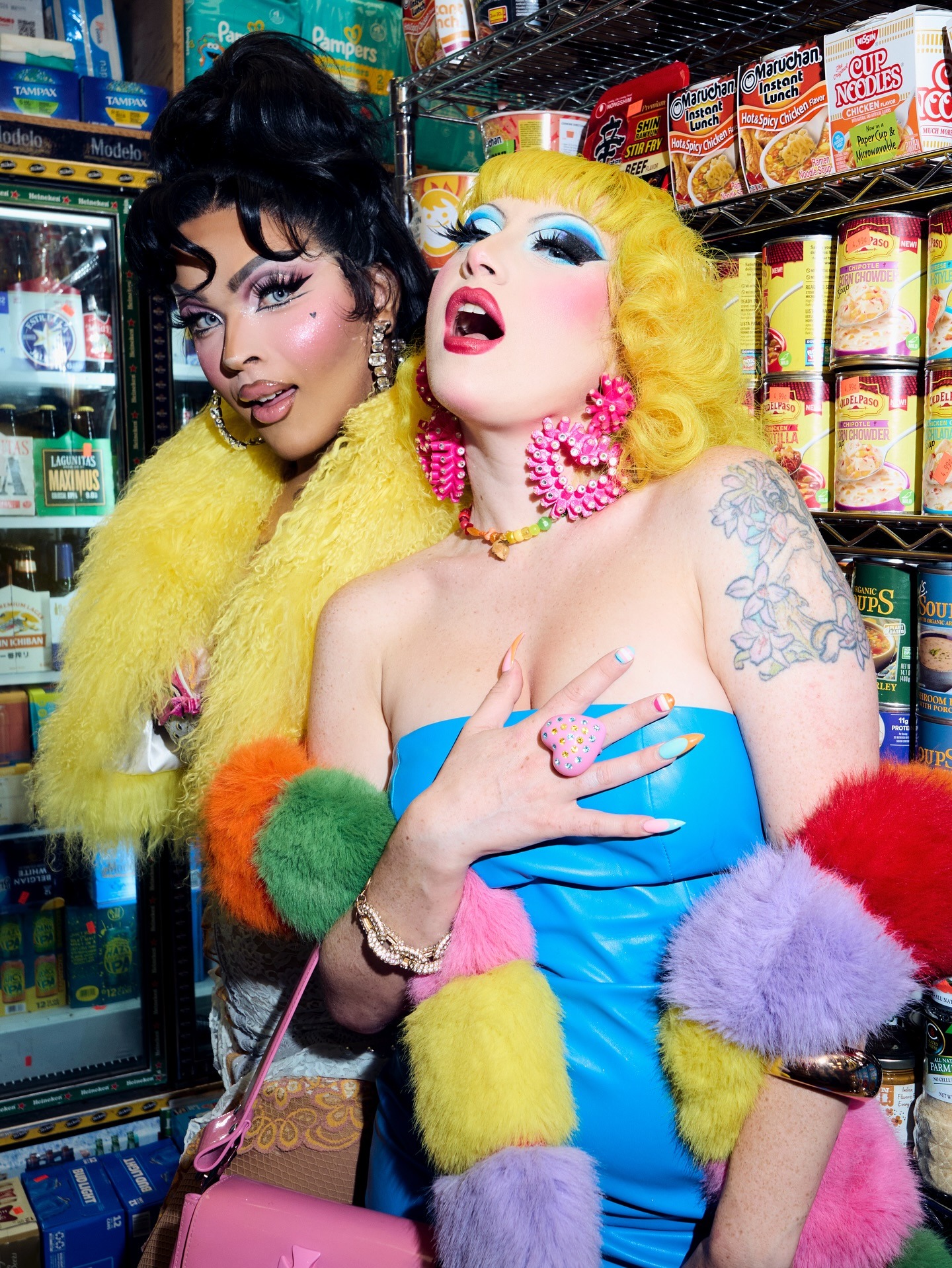
WA: A little Fuck Mary Kill. MAGA Drag Edition. J.D. Vance, George Santos, Rudy Giuliani.
HB: I'm not sleeping with any of those divas. Girl, hand me the gun.
WA: (Laughing hysterically)
HB: No. You want me to go on record and say what MAGA politician I want to marry and fuck?!
WA: Well, as their drag entity, because they've all...
HB Wait they’ve all done drag?
WA: Yes, they've all done drag!
HB: Okay, well, J.D. Vance was chopped… I honestly am not familiar with Rudy Juliana’s.
WA: Juliana!
HB: Juliana!
WA: I wonder if that was her drag name?
HB: Rudy Tootie Giuliani. So I guess I'd fuck her, just for the experience of getting to know her. And then, you know, George Santos' drag is pretty fierce, so... I guess I'm marrying, if you hold a gun to my head.
WA: You have no choice. You would marry George Santos?
HB: No, not on record. Hahaha! Or off. You're crazy for that.
WA: I know I had to. Hahaha! I had to put a spicy one in there for you girl. Oh my god. But when you look at these Republican politicians that are just stripping rights left and right, and then you dig into their past and see so many of them are literally just obsessed.
HB: Gender is a construct, tear it apart.
Well, I'm sure really the thing is they just, these things get unearthed, and I bet they didn't even remember that they too had expressed different genders and, you know, played with sexuality and femininity before, because it was just like a fun activity to do, it was something natural like in their whatever environment they were in at the time to like throw on a wig and have fun.
And then, you know, when they other all of these LGBTQ people and trans people, they're able to say that's not me. I've never done anything that would ever threaten my alpha masculinity I've constructed for myself. When in reality, we're surrounded by gender everywhere, and it's always been fluid, and it's always been just fun to play with, even for the biggest, bigots of them all.

WA: Not as stressful as MAGA drag. So you're such a community queen and who or what inspired your activism beyond, I know you mentioned your diabetes, but and your direct action community organizing, like what keeps you going and how do you find joy in an increasingly compounded grief state?
HB: Yeah, I think something I've always been a really strong believer in is that you're not going to be able to build a movement and get people to fight for the utopia that you dream of, unless you actually create those moments of queer liberation within the struggle.
So in the work that I do, I'm always trying to center the vision and to actually build the future we want to live in while we're still fighting the fascism, bigotry and hate all over the country. It's a lot of organizing behind the scenes isn't very glamorous. It's a lot of meetings and group chats.
And when we do have our moments of coming together and making a very public statement, I think it's really important that we bring people in with joy and not only trying to just say our values, but to make space for who we want in the fight. And for me, everything I do is for the dykes, the dolls, and the divas. And I am going to show up for my community in any space I am in.
I'm never going to compromise who I am to be in a political space. And I think that can shock a lot of people from the outside because we're shown that we have these ideas that certain communities in the struggle have bigoted ideas or closed-minded or the sense of rigidity, but in reality the socialists, the anti-fascists, the anti-Zionists have a lot of diverse community and are very welcoming because they understand that all of us, including queer people, trans people, women, are in the fight too.
So when I do have the chance to make my own community spaces, you may call it, whether it's like a drag show fundraiser or even a direct action, if I can make it really centered to welcoming those dyke, dolls and divas, I will do it because not only do they deserve rights in the future, but they deserve to be heard now.

WA: Ari for President! So this is a question we ask everyone and I would love to know who would be in your dream SASS sweet sash and they could be icons, drag queens, activists, living or deceased.
HB: Wow. OK! If I were to get my dream sweet spot rotation going, I will say I am a Lady Gaga stan. I'm a little monster and Lady Gaga, despite all of her problems and maybe neoliberalism, is invited to the session.
And I'm also going to bring in my girls, let's say, I'm going to bring Chelsea Manning to the session. I'm gonna bring Chrissy Tripecca, a fabulous lesbian pop star. Oh, my gosh.
And I also want to bring Candy Darling. I would love to witness her fabulousness and party together. Oh, my God.
That's such a good question. Living, deceased. Like, I know I'm missing some icons.
And I'm going to bring Machine Dazzle, who is a fabulous artist. I think I'm really curating a visual experience. I can see it. I want everything from like the cunty suits to like the crazy space rocket glitter glamour outfits. And pink. Lots of pink.
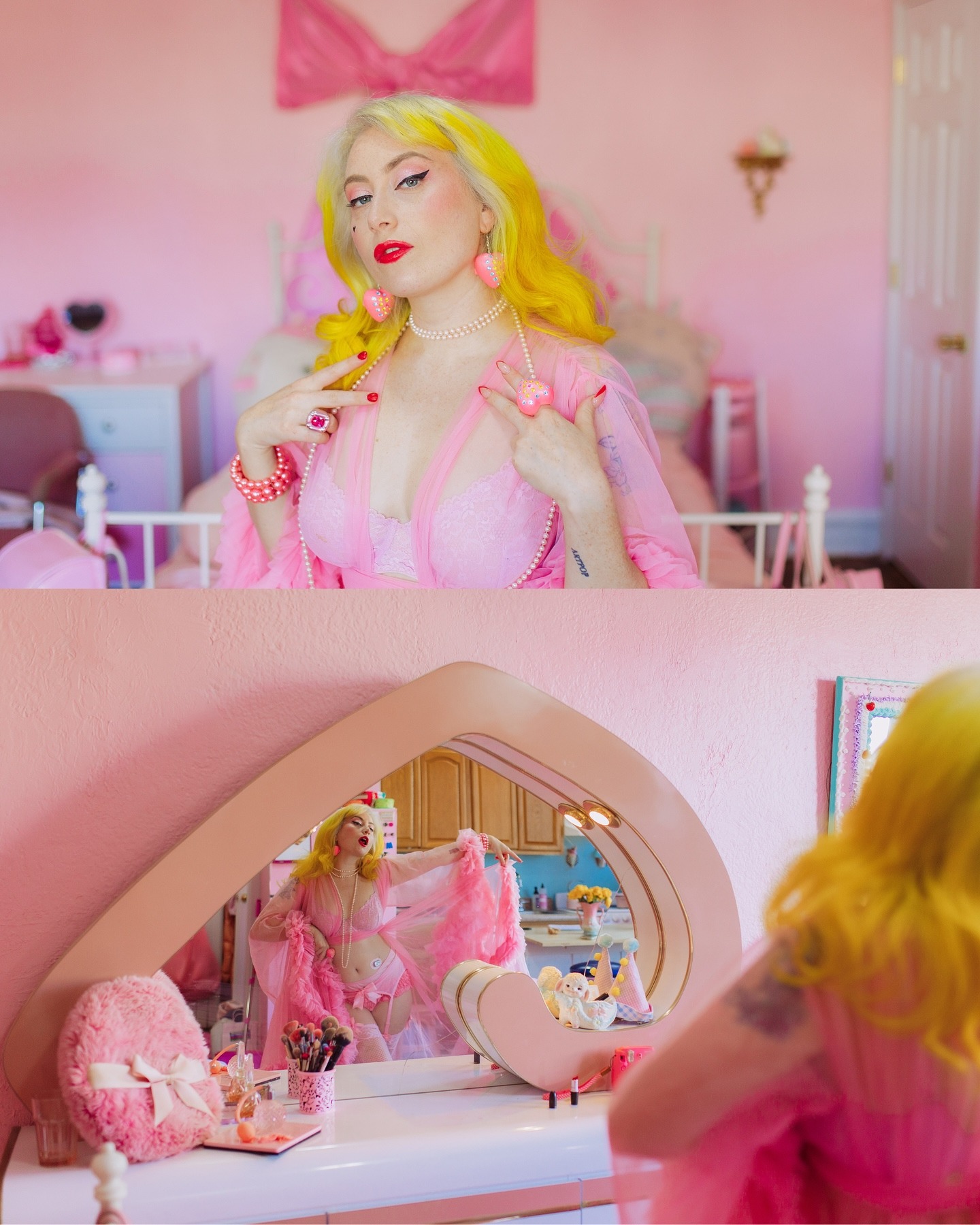
WA: Call it in. I was waiting for you to say our Mayor as well.
HB: Oh, you know. Yeah. Wait. Wait. Okay.
WA: She is like a political baddie. None of them were named but that's okay.
HB: Wait. Okay. I'm visioning everyone literally like on my bed behind me. We're just enjoying. We're femme-afesting. And having a little tree. I don't manifest. I femme-afest!
I'm calling in Candy Darling. I'm calling in Chelsea Manning, the dolls of the past, present, future.
And then I'm also calling in Chrissy Chapeca for the pink and the pop glamour. I'm calling in. I'm going to bring in Darializa (Avila Chevalier), who's running for Congress.
I'm dyke for Darializa. And I feel like, you know, she deserves it. After all, she's been through with the primary. And I'm also going to bring, yeah, I'm going to bring Lady Gaga. Sorry. And I'm going to bring Machine Dazzle. And I feel like, like low key, I'm scared to say this, but I want to bring RuPaul. I'm a RuPaulogist. I'm bringing RuPaul.

WA: Since you're such a diva in the organizing movement, could you name a few groups and orgs that people should be aware of and show up for to start to be movement makers themselves?
HB: Yeah. I, I love this question and what I've been telling people recently, especially since, um, the primaries here in New York is that, all around the country, and I'm thinking specifically of the Briar Blush Fan Club who reached out to me about how they can get more involved in politics, I said “look up your local DSA chapter (the Democratic Socialists of America) and just get involved. Go to 101 session. Become a card carrying member.” I talked to the founder of the Briar Blush Fan Club just a few weeks ago. She had no idea how to get her start. I said, "Follow Hot Girls Organize on Instagram," I'm a proud Hot Girls board member. And little did I know, literally two to three weeks later, she is now organizing a mutual aid drag show with her local DSA chapter in South Carolina.
It's a great place to start and there's chapters all over the country but I'd also really recommend if you're passionate about getting involved with the fight for Palestinian liberation to plug into Jewish Voice for Peace, whether you're Jewish or not you can get involved in the movement and there's also chapters everywhere.
There's tons of groups out there. I think it can be really intimidating to try to find your political home and you might think when you're first entering the political activist organizing sphere that you have to have all the answers, but the reality is you just need to show up. Even if you're just there listening, maybe helping put away the chairs or take out the trash after, you will work your way up into leadership and any good organization will empower you into leadership.
So even just showing up to your local LGBTQ center, seeing what's on their monthly calendars and figuring out how to show up. But a really great place to start is the Democratic Socialists of America. (beeping) Oh, that's my insulin pump. Sorry.

WA: Okay last question. We talked about orgs we could show up for. How can we show up for you? What parties, protests, or performances does Harsh Babe have coming up?
Yeah, so you can follow the @dykedarty Instagram for updates on a monthly dyke, doll, diva drag show I put on at The Rosemont in the summertime. You can also just follow me on my personal Instagram @harshbabe.nyc to find any upcoming shows and also ways to get involved politically. I'd really just encourage people, if they wanna go find not just drag shows that I'm performing in but all of the best sapphic and trans-inclusive events around the city, go to the Dykes & Dolls calendar zine. They have an incredible Instagram and Substack, and they also distribute zines all around the city. We've partnered many, many a time. That's my rec for how to plug into my little world.
WA: Love it. I actually am gonna ask one more bonus question because you are such a super star, ... remiss to not ask you, do you have a favorite SASS product?
HB: Do I have a favorite SASS product? Oh my gosh. This is so vanilla of me, but (laughs) I, I really like the chocolates, but I'm not an edible girly, I'm a flower girly, so I just like the straight-up chocolate. (laughs) I also love the lip balms.
WA: She needs lickable lips. Thank you Ariel!


